For growing businesses, shipping smaller orders separately can increase transportation costs, complicate tracking, and create unnecessary administrative work. When shipments share similar origins, destinations, and delivery requirements, freight consolidation offers an opportunity to improve efficiency.
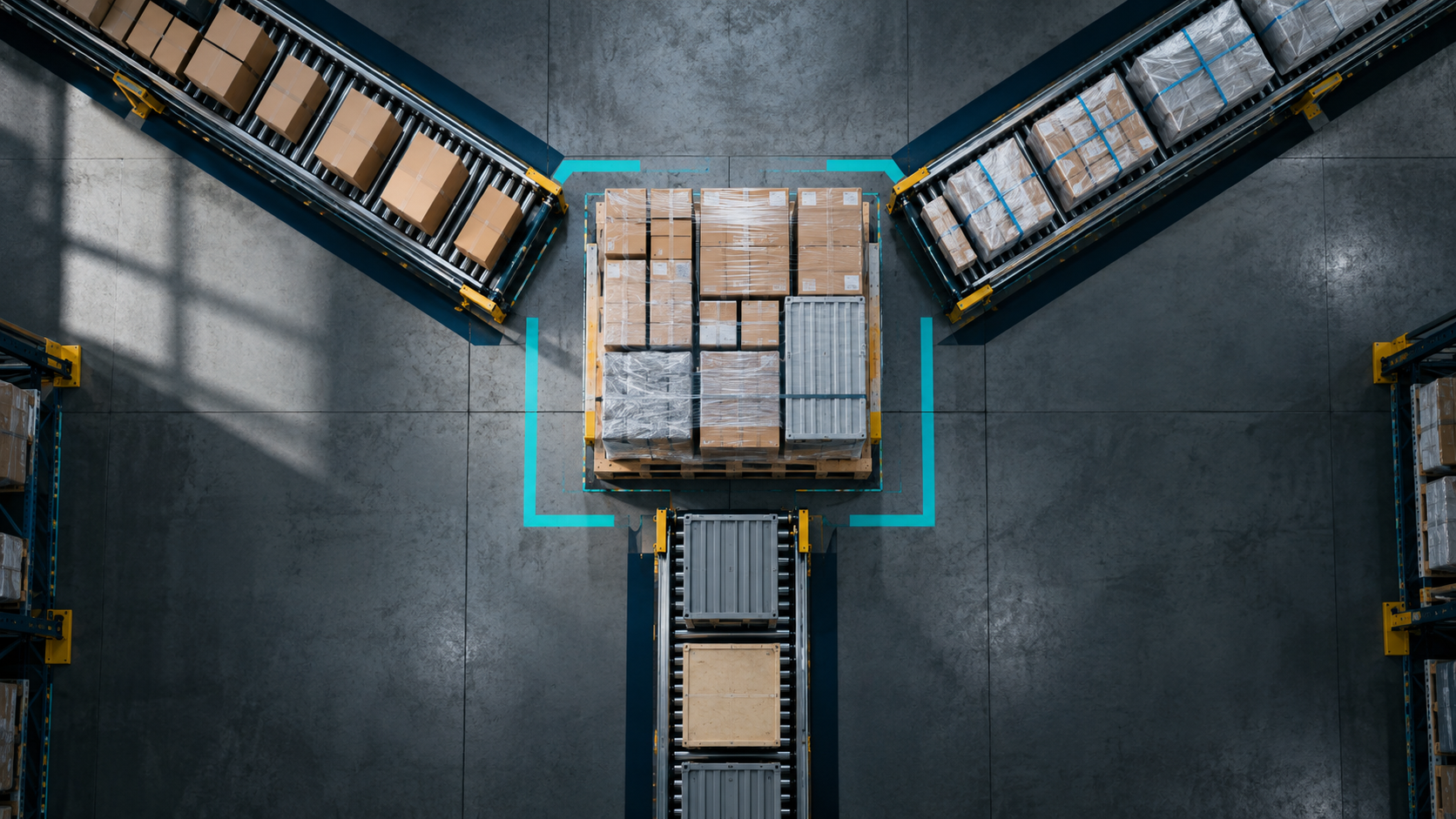
Freight consolidation combines compatible shipments into a larger, coordinated movement. Rather than arranging multiple pickups and deliveries, shippers can use available capacity more efficiently while maintaining control over their supply chain.
However, consolidated shipping is not always cheaper or faster. Additional handling, longer lead times, and delivery requirements can offset potential savings. Understanding when consolidation makes sense helps businesses make informed transportation decisions.
What Is Freight Consolidation?
Freight consolidation is the process of combining multiple smaller shipments into one larger shipment to improve transportation efficiency.
A freight consolidator or logistics provider may collect goods from several origins, organize them at a consolidation center, and arrange shared transportation toward a common destination.
For example, a manufacturer sending several palletized orders to the same distribution center might combine them into one consolidated shipment rather than booking separate movements.
This approach can reduce shipping costs and simplify carrier coordination. However, consolidation differs from choosing a transportation mode.
Less-than-truckload (LTL) shipping allows multiple shippers to share trailer capacity, while full truckload (FTL) generally dedicates equipment to one larger load. Freight consolidation is a planning strategy that can work with either service.
When Does Freight Consolidation Make Sense?
The strongest freight consolidation opportunities occur when smaller shipments can move together without creating additional delivery risk.
Shipments Share Similar Origins and Destinations
Businesses regularly sending freight to the same region may benefit from consolidating freight.
Several LTL shipments leaving one warehouse for nearby customers could potentially move together before separating for final delivery. This becomes especially attractive when shipments share pickup schedules and equipment requirements.
Delivery Windows Allow Coordination
Combining shipments sometimes requires holding one order until another becomes available.
This can increase lead times even when carrier transit times remain unchanged. Shippers should confirm receiving schedules, delivery appointments, and customer commitments before booking.
Urgent freight should not be delayed solely to secure a lower rate.
Freight Has Compatible Handling Requirements
Successful cargo consolidation requires more than matching destinations.
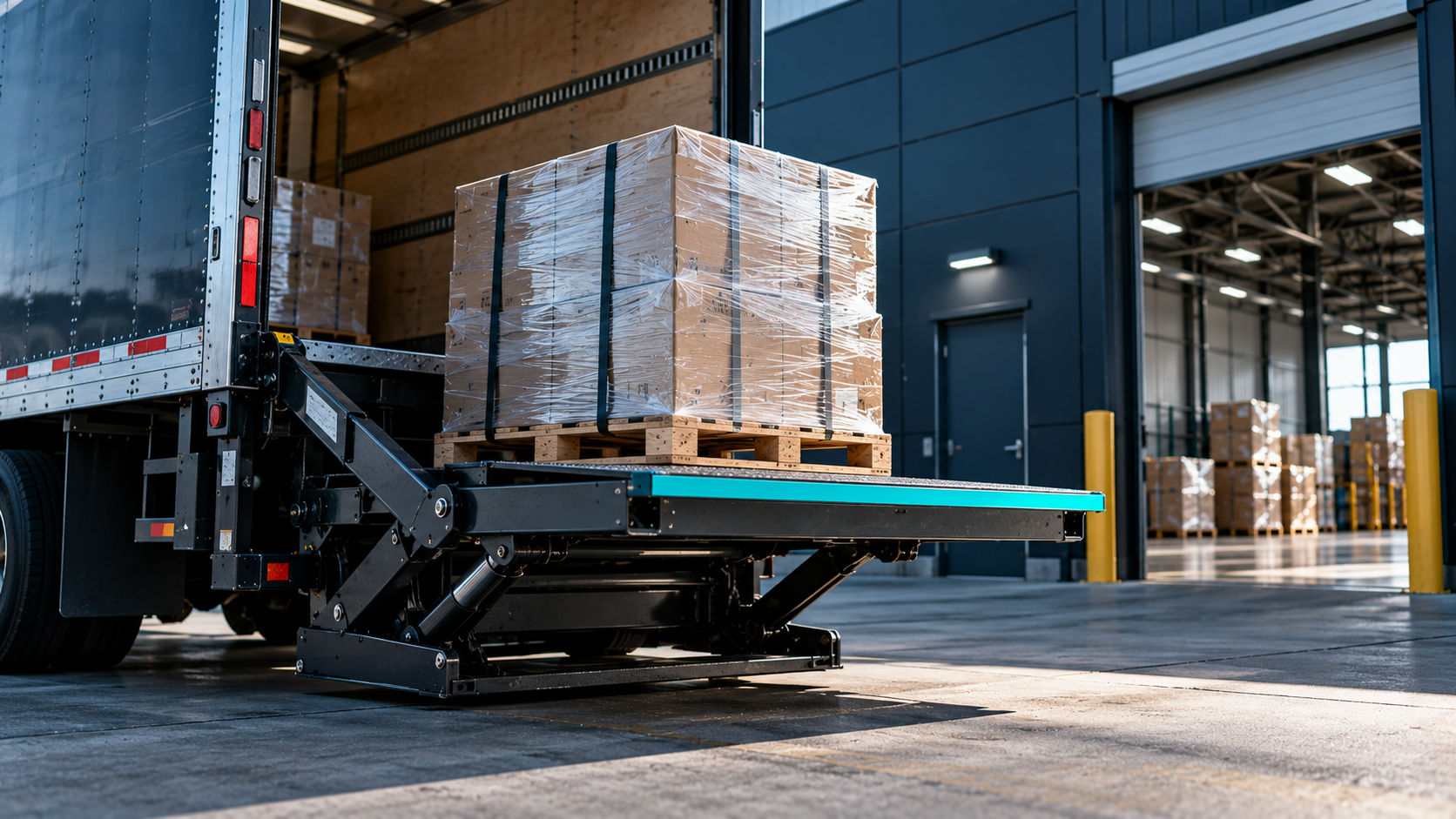
Shipment dimensions, weight, packaging, and handling requirements must be compatible. Heavy industrial freight may not safely share equipment with fragile merchandise.
Additional touchpoints during loading or deconsolidation can also increase damage exposure. These risks should be evaluated before combining loads.
Freight Consolidation vs. LTL and Full Truckload Shipping
Freight consolidation often overlaps with LTL shipping, but the concepts serve different purposes.
In a traditional less-than-truckload network, carriers transport freight from multiple customers using shared equipment. Individual LTL shipments may pass through terminals before delivery.
Consolidated freight, by comparison, may be grouped intentionally before entering the transportation network.
When several partial loads are combined, the resulting volume may support a full truckload movement, potentially reducing individual transportation transactions.
The right option depends on shipment size, carrier pricing, delivery requirements, and total costs.
Our LTL freight management guide explains how freight class, dimensions, tracking, and accessorial charges influence LTL transportation decisions.
How Consolidation Works Across Transportation Modes
Although domestic LTL and FTL transportation remain the primary focus for many growing shippers, freight consolidation also applies to international shipping.
In ocean freight, less than container load (LCL) shipping allows multiple shipments to share container capacity. LCL cargo is grouped at a consolidation warehouse and separated through deconsolidation after arrival.
A full container load (FCL) typically provides dedicated container capacity. Comparing LCL and FCL involves shipment volume, cargo handling, pricing, and transit times.
Ocean freight consolidation may also require a freight forwarder to coordinate international transportation, customs clearance, and destination handling.
Unlike domestic trucking, international shipping introduces additional documentation and operational requirements. Both LCL and FCL shipments can involve separate processes for receiving and releasing cargo.
Air freight consolidation similarly groups compatible shipments, while rail transportation may support consolidated intermodal movements.
Across modes, the principle remains consistent: transportation savings must justify the additional coordination.
How to Calculate Freight Consolidation Savings
The most useful financial comparison considers complete shipping expenses rather than the initial carrier quote.
Consider two hypothetical shipments traveling toward the same destination:
Shipment A: $420
Shipment B: $460
Total separate shipping costs: $880
A logistics provider offers consolidated shipping for $650, suggesting potential savings of $230.
However, if warehouse staging and additional handling cost $180, the actual consolidated freight expense becomes $830.
The savings decrease to just $50.
This example demonstrates why freight consolidation services should be evaluated using total transportation costs.
Shippers should account for warehousing charges, additional pickups, accessorial fees, and possible delivery delays.
For recurring shipments, comparing cost per unit can reveal whether consolidation consistently improves transportation efficiency.
Our freight rate management software guide explains why accurate freight comparisons require visibility beyond base transportation rates.
Managing the Risks of Consolidated Freight
Freight consolidation introduces additional coordination responsibilities, particularly when shipments move through a consolidation center.
Products may require temporary storage, scanning, or additional loading before transportation begins.
Every handling event creates potential exposure to delays, incorrect documentation, or damage.
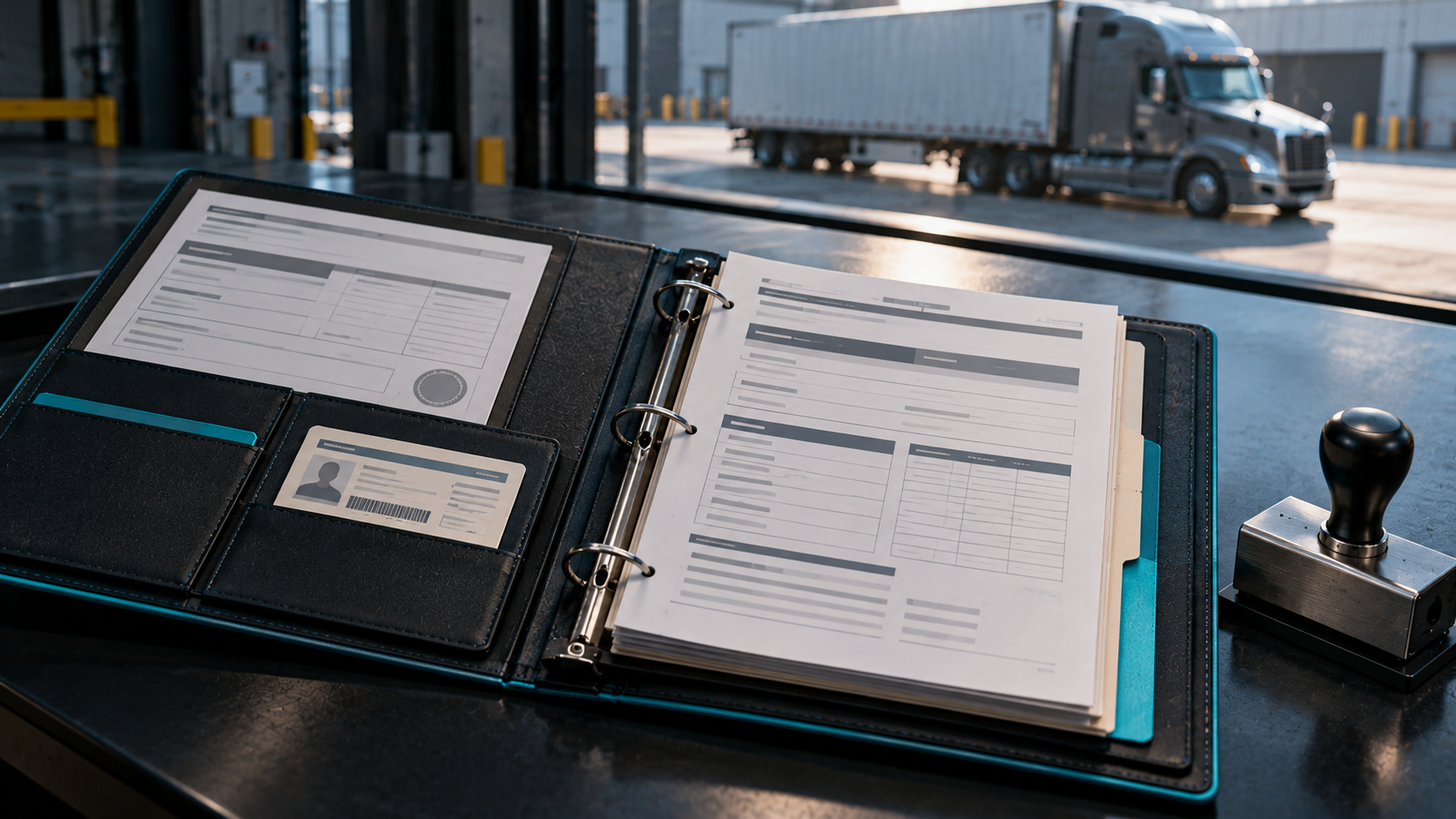
The consolidation warehouse should maintain accurate records connecting each original order to the larger consolidated shipment.
During deconsolidation, those records support shipment identification and final delivery.
Shippers should also establish clear communication responsibilities when multiple logistics providers participate.
Without reliable tracking and documentation, combining freight can create more operational complexity than shipping orders separately.
How Shipment Data Identifies Consolidation Opportunities
The most practical way to identify freight consolidation opportunities is to analyze historical transportation activity.
Review recurring LTL shipments by destination, pickup date, shipment size, and transportation costs.
Customers receiving multiple smaller orders during the same week may represent opportunities to consolidate shipments without substantially changing delivery expectations.
Historical information should include weight, dimensions, actual charges, and service performance.
The Bureau of Transportation Statistics Freight Analysis Framework provides broader context about U.S. freight movements, but individual shipment records are more useful for operational planning.
A transportation management system (TMS) can help organize this information and identify recurring patterns across a growing supply chain.
Freight Consolidation and Sustainability
Freight consolidation may also contribute to sustainability objectives by improving equipment utilization.
Combining compatible shipments can reduce duplicate transportation movements and unnecessary fuel consumption.
However, the carbon footprint depends on actual equipment use, warehouse handling, and additional transportation requirements.
Consolidation does not automatically guarantee lower emissions.
The EPA SmartWay program provides resources for understanding freight efficiency and environmental performance. The Federal Highway Administration's freight resources also provide context for transportation operations.
Shipment-level data helps businesses evaluate sustainability alongside cost and service performance.
How Freight Technology Improves Consolidation Visibility
Maintaining visibility into individual orders is essential when several shipments become part of one larger movement.
Shippers need access to carrier information, tracking milestones, delivery appointments, and supporting documents.
Connected freight management technology can organize these details across quoting, booking, tracking, and delivery.
Our freight management software guide explains how centralized workflows improve visibility and operational consistency.
Lighthouse, our shipper-facing platform, is designed around freight intelligence, analytics, and connected shipment information.
The objective is to give businesses better information when evaluating freight consolidation and other transportation decisions.
Test One Consolidation Opportunity
Choose a recurring group of compatible shipments and compare the complete cost of moving them separately with the cost of consolidation. Confirm handling requirements and delivery windows before running a trial, then review actual savings and service results.
FAQ
Q: What is the main purpose of freight consolidation?
A: Freight consolidation combines compatible smaller shipments into larger movements to improve transportation efficiency, potentially reducing shipping costs and simplifying coordination.
Q: Is freight consolidation cheaper than LTL shipping?
A: Not always. Consolidation may reduce transportation costs, but additional warehousing, handling, and delivery requirements can offset savings.
Q: What is the difference between consolidation and deconsolidation?
A: Consolidation combines smaller shipments into one coordinated movement. Deconsolidation separates them at a destination facility so individual orders can reach their recipients.
Q: Does freight consolidation increase delivery times?
A: It can. Waiting for additional freight or coordinating warehouse handling may extend lead times. Shippers should verify delivery commitments before consolidating.
Q: Can freight consolidation reduce carbon emissions?
A: Potentially. Better equipment utilization may reduce fuel consumption, but actual environmental benefits depend on the complete transportation process.
Related Resources:
See your freight in a new light.
Lighthouse gives logistics teams live shipment visibility, carrier signals, and exception alerts, without the manual work.
Request Access