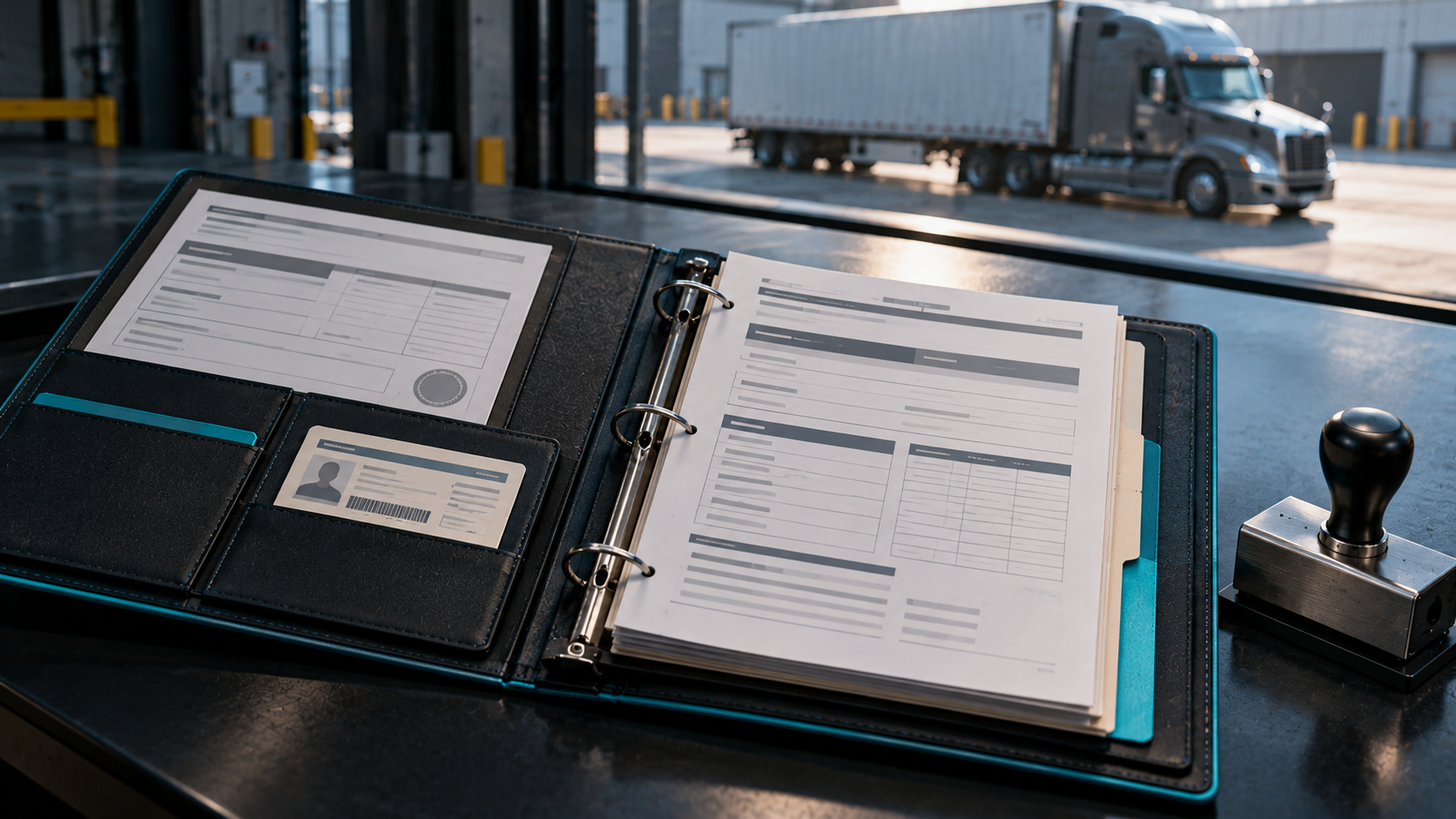
A freight invoice marked approved is not necessarily paid. While logistics teams may consider a shipment complete after delivery, the accounts payable team still needs to verify charges, process payment, and confirm that the carrier receives the correct amount.
Freight payment software helps connect these activities, improving visibility across the freight payment process. Without organized records, businesses risk billing errors, duplicate charges, delayed carrier payments, and unnecessary administrative work.
For growing shippers, the objective is straightforward: maintain accurate transportation costs, protect cash flow, and keep carriers informed throughout the payment lifecycle.
What Is Freight Payment Software?
Freight payment software helps businesses manage transportation invoices, payment approvals, remittance information, and carrier payment records.
It often operates alongside freight audit and payment (FAP) workflows, which verify transportation charges before funds are released.
A freight audit and payment solution may compare carrier invoices against contracted rates, identify discrepancies, and organize approved charges for payment processing.
Some platforms also provide payment execution, while others integrate with accounting systems or third-party payment providers.
This distinction matters because approving a freight bill does not confirm that money has reached the carrier.
A complete freight audit and payment process should connect shipment records, invoice verification, payment status, and financial reconciliation.
How the Freight Audit and Payment Process Works
The freight audit process begins when a carrier submits an invoice for completed transportation services.
Before payment, logistics and finance teams must confirm that the charges match the shipment and applicable carrier contracts.
Step 1: Receive and Match Carrier Invoices
Carrier invoices should connect to a specific shipment using identifiers such as a bill of lading, PRO number, or transportation management system reference.
An LTL shipment may include multiple references, making consistent documentation especially important.
Step 2: Verify Charges Against Agreements
Freight invoice auditing compares billed amounts against contracted rates, quoted services, and applicable accessorial charges.
Teams should review fuel surcharges, detention fees, and other adjustments that may affect the final freight bill.
A pre-payment audit can identify overcharges, duplicate charges, or missing documentation before funds are released.
Step 3: Approve and Process Payment
Once discrepancies are resolved, approved invoices enter the freight payment process.
The payment provider or accounting system manages the transaction, while the freight audit and payment software maintains supporting information.
Step 4: Confirm Payment and Reconcile Records
After payment processing, finance should verify settlement and preserve remittance details.
A post-audit can identify discrepancies discovered after payment and support recovery or correction efforts.
Our freight audit software guide explains why connecting freight charges to shipment records improves invoice verification.
Why Freight Payment Status Becomes Confusing
Payment confusion often develops because logistics, finance, and carriers use different systems.
A transportation manager may see an invoice marked approved in the TMS, while accounts payable has scheduled payment for a future date.
Meanwhile, the carrier may have received neither payment nor remittance information.
These situations become more complicated when businesses manage multiple transportation modes, carriers, and billing arrangements.
Reliable freight audit and payment software should distinguish between approval, scheduling, submission, settlement, and failed transactions.
Clear status definitions help prevent internal assumptions from becoming inaccurate carrier updates.
They also provide an audit trail showing when changes occurred and who approved them.
How Freight Payment Software Reduces Billing Errors
One of the most valuable capabilities of freight audit and payment software is identifying discrepancies before they affect financial reporting.
Common issues include incorrect freight classifications, duplicate invoices, unexpected accessorial charges, and transportation rates that do not match negotiated agreements.
For example, a carrier might invoice an LTL shipment at a different freight class than originally quoted.
Rather than approving the charge automatically, the freight audit process should connect the invoice to the original booking details and supporting documents.
Intelligent audit capabilities can help flag unusual charges or mismatches, but human review remains important when documentation conflicts.
Our freight cost management guide explains how shipment-level information supports better transportation spend management.
The goal is not simply to reject charges. It is to confirm which charges are accurate and resolve discrepancies consistently.
Keeping Carrier Payments and Communication Aligned
Accurate carrier payments depend on more than automated invoice approval.
Shippers need a consistent process for responding when carriers ask about outstanding invoices, partial payments, or missing remittance information.
A reliable workflow should connect the original freight invoice with its approval status, payment reference, and settlement confirmation.
If payment fails, the appropriate owner should investigate whether the issue involves banking information, payment processing, or an unresolved billing dispute.
Claims management may also require coordination when cargo damage or shortages create separate financial questions.
However, claims should not automatically be treated as payment disputes without confirming the applicable agreement.
Clear ownership and documented communication help preserve carrier relationships while reducing unnecessary follow-up.
What to Look for in Freight Audit and Payment Software
When evaluating freight audit and payment services, shippers should prioritize solutions that improve invoice accuracy, streamline financial workflows, and provide greater visibility into transportation costs.
Key capabilities include invoice matching, rate validation, exception reporting, payment-status visibility, and accounting integrations. These features help logistics and finance teams identify billing discrepancies, track outstanding payments, and maintain accurate freight records.
Integration with a transportation management system (TMS) is especially valuable because it connects freight bills with shipment details, carrier agreements, and actual transportation activity.
Electronic data interchange (EDI) can further support the freight audit and payment process by enabling structured invoice exchange between carriers, shippers, and financial systems.
When comparing freight audit and payment software, businesses should distinguish between solutions focused on invoice auditing, freight bill audit and payment, transportation spend analytics, and broader TMS capabilities.
Some providers specialize in identifying billing errors and overcharges, while others offer payment execution, financial reporting, or integrations with existing accounting platforms. Intelligent audit capabilities may also help identify unusual charges and recurring discrepancies, although automated findings still require appropriate verification.
A strong vendor comparison should consider supported transportation modes, implementation requirements, security, total operating costs, and how effectively the software connects freight payment workflows with day-to-day logistics operations.
Connecting Freight Payment Software With a TMS
A transportation management system (TMS) provides the shipment information needed to support accurate freight payment decisions.
Shipment weight, service requirements, quoted rates, tracking milestones, and delivery documentation all help explain the final charges.
When these records remain disconnected, finance teams may spend unnecessary time requesting information from logistics.
A connected freight management workflow improves real-time visibility into shipment activity while supporting more consistent financial records.
Our freight management software guide explains how centralized information can improve transportation operations.
Lighthouse, our shipper-facing freight platform, focuses on visibility, analytics, and connected workflows. Its role should be distinguished from dedicated freight payment execution or FAP services.
Measuring Freight Payment Performance
Effective freight payment management requires regular review of both financial accuracy and operational exceptions.
Useful measurements include invoice approval time, unresolved billing discrepancies, payment confirmation delays, and outstanding carrier inquiries.
Teams should also monitor transportation spend trends and recurring causes of overcharges.
Public datasets such as the BLS Producer Price Index and EIA diesel price information provide broader context for transportation costs and fuel surcharges.
However, actual carrier contracts and shipment history remain more useful when evaluating individual freight bills.
The Federal Highway Administration's freight resources provide additional context on U.S. freight operations.
By connecting payment records with operational data, businesses can identify recurring issues and improve financial reporting without relying on disconnected spreadsheets.
Check the Full Payment Status
Review an outstanding freight invoice from approval through settlement. Confirm that logistics, finance, and the carrier can identify its current status, payment reference, and owner for any unresolved issue.
FAQ
Q: What is freight payment software?
A: Freight payment software helps businesses manage transportation invoices, payment approvals, remittance information, and carrier payment records. Some solutions also execute payments, while others integrate with financial systems.
Q: What is the difference between freight audit and freight payment?
A: Freight audit verifies invoice accuracy against shipment records and agreed rates. Freight payment involves scheduling, processing, and confirming payment to the carrier.
Q: Can freight audit and payment software prevent duplicate charges?
A: It can help identify duplicate charges by comparing invoice identifiers, shipment records, and previously processed transactions. Results depend on data quality and system configuration.
Q: How does freight payment software improve cash flow?
A: Accurate invoice records and clearer payment schedules help finance teams understand upcoming obligations, resolve discrepancies, and manage payment timing.
Q: Is freight payment software the same as a TMS?
A: No. A TMS primarily manages transportation operations, while freight payment software focuses on financial workflows. Integrating the two can improve shipment-to-invoice visibility.
Related Resources:
See your freight in a new light.
Lighthouse gives logistics teams live shipment visibility, carrier signals, and exception alerts, without the manual work.
Request Access