A shipment can reach its delivery address and still create hours of work afterward. Operations may need a signed POD. Finance may need the same record before invoicing can move forward. A customer may ask whether a shortage was noted, while a claims team may need photo proof, timestamps, or the original bill of lading. That is the gap that proof of delivery software is designed to close. Instead of treating the final document as a file that appears after transportation is complete, a connected workflow keeps delivery evidence tied to the shipment record used for booking, tracking, exceptions, documents, and cost review.
What a Connected Proof of delivery Platform Should Do
A useful POD platform helps shippers capture, organize, store, and retrieve evidence that a delivery occurred. A proof of delivery record may include the receiver’s name, delivery confirmation, an electronic signature, time details, photos, or shortage information.
The strongest systems treat electronic proof of delivery as part of the shipment lifecycle rather than a standalone attachment. The same digital record can connect the BOL, shipment status, exception notes, and final POD.
In last-mile delivery and e-commerce workflows, a proof of delivery app may use a mobile app for signature capture, barcode scanning, customer notifications, or delivery photos. Whatever the tool, data collected on mobile devices should return to the correct shipment record.
Our guide to freight management software explains how connected quoting, booking, visibility, exceptions, and billing reduce document handoffs.
Digital Delivery Records Need More Than a Signature
An ePOD, electronic POD, digital POD, or digital proof of delivery should explain what happened at the stop. An e-signature can confirm acknowledgement, but a freight team often needs more context around the event.
A complete record may preserve:
an electronic signature or digital signatures tied to the shipment
timestamps showing when the delivery event occurred
photo capture or photo proof when visual evidence matters
driver notes and delivery notes describing an exception
delivery confirmation and receiver details
barcode scanning data that helps match freight to the shipment
notes about partial deliveries, damage, or shortages
Those details make the record useful to operations, finance, customer service, and claims teams.
Structured freight data can make document exchange and shipment records easier to manage from booking through delivery. Using standards like the electronic bill of lading API can help keep the bill of lading, tracking history, and final delivery record connected instead of forcing freight teams to reconstruct the shipment later.
Why POD Collection Becomes a Manual Problem
Smaller delivery operations may manage a few PODs through email and shared folders. That gets harder as volume and provider count increase.
One carrier may email the record, another may use a portal, and another may require follow-up. A WMS may show freight as received while a business system shows the order as complete, without storing the evidence the freight team needs.
That creates recurring problems across delivery management and delivery operations:
Inconsistent retrieval: employees search emails, portals, folders, and shared drives.
Weak matching: files are not consistently tied to the correct shipment.
Missing context: time data, images, or driver notes may live elsewhere.
Duplicate work: operations, finance, customer service, and claims request the same records independently.
A connected POD software workflow reduces that fragmentation by keeping the evidence attached to the shipment.
Connect POD Records to Shipment Visibility
POD records work best when the shipment already contains pickup details, the BOL, real-time tracking history, and exceptions. The final record becomes the last execution step rather than a separate artifact.
This is where shipment visibility and delivery documentation should work together. Tracking can show that freight reached its destination; the proof of delivery explains how the delivery ended.
A useful POD-tracking workflow should answer practical questions quickly: Is the document available? What do the timestamps show? Was delivery confirmation completed? Is there a receiver signature? Was photo proof attached? Were partial deliveries noted?
A second track-POD view can surface delivered shipments that still lack documentation, because delivered does not always mean ready to close.
Mobile Capture Should Feed the Freight Record
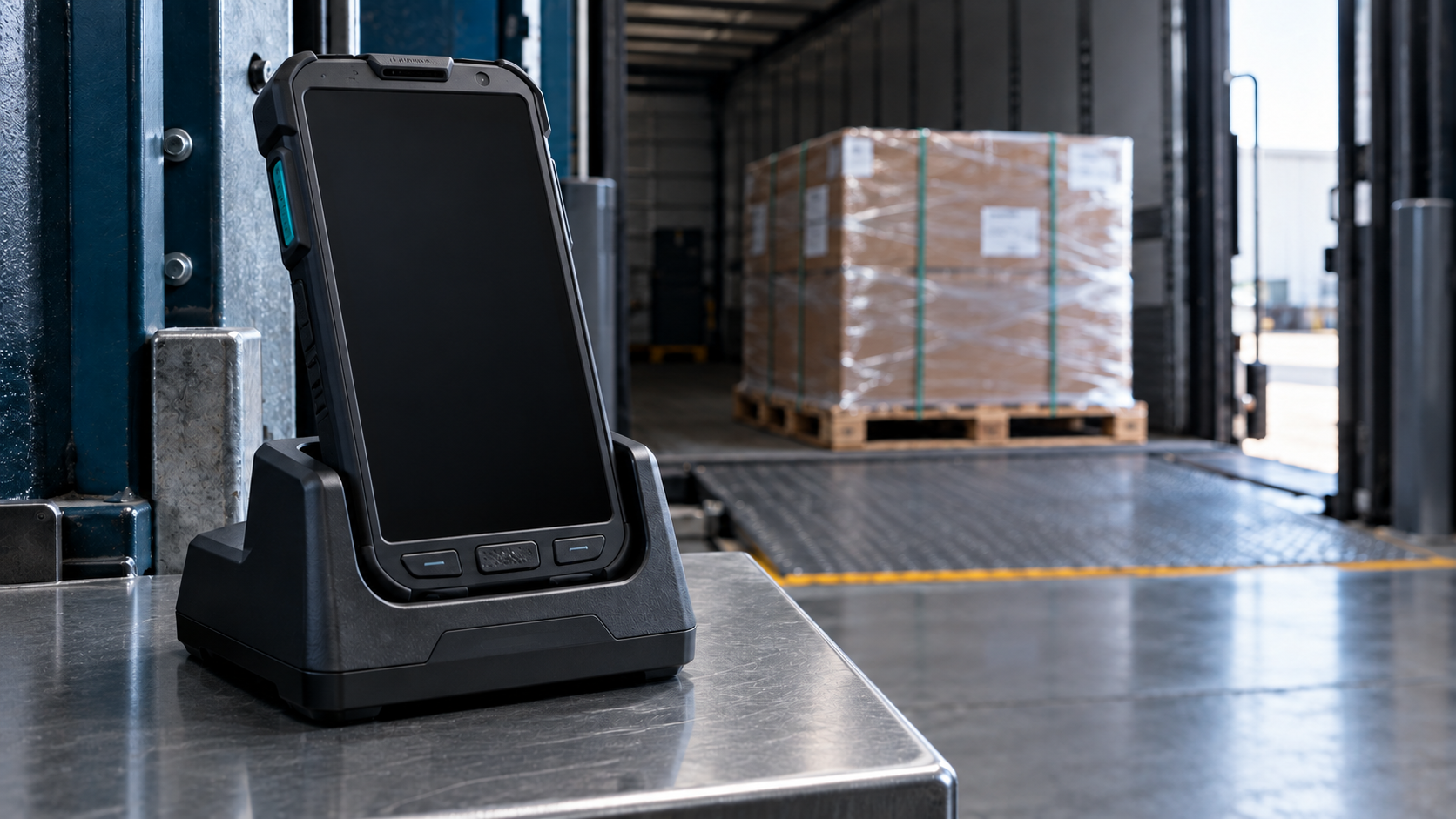
A proof of delivery app can speed capture at the stop. Depending on the operating model, a mobile tool may support barcode scanning, sign-on-glass, signature capture, photo capture, customer notifications, SMS, WhatsApp, or live driver tracking.
Those features are common in delivery management software built around last-mile delivery. For freight shippers, the key question is whether the mobile app returns accurate data to the system of record.
If the app captures a signature and image, both should attach to the correct shipment. Automated updates can help communication, but the delivery confirmation still needs to remain in the freight workflow.
Delivery Exceptions Make POD Data More Important
A clean delivery is easy to close. The real test comes when freight arrives short, damaged, or otherwise different than expected.
When an exception occurs, delivery operations may need the electronic POD, photos, delivery records, the BOL, and prior communication. Keeping that evidence together makes investigation and claims preparation easier.
Our freight claims management guide explains how PODs, photos, bills of lading, and carrier responses can form an evidence trail. The federal freight claims rules also outline the types of documents that may be used when investigating a motor-carrier freight claim.
POD software does not replace a claims process or qualified legal guidance. It helps preserve the factual record the team may need later.
How POD Data Supports Invoicing and ERP Workflows
The work does not end when the truck leaves the stop. Finance may still need to confirm completion, review accessorial support, or move an invoice toward approval.
Connecting POD data with invoicing and accounting workflows gives finance more context without another request to operations. It also helps trace a charge back to the shipment that created it.
If freight billing uses EDI or integrations, standardized messages can reduce rekeying. The X12 freight invoice standard provides a structured way to exchange motor-freight billing information and can help support more consistent invoicing.
What Shippers Should Look for in POD Software
When evaluating the workflow, look for the ability to tie each record to a shipment, surface missing records, preserve timestamps, support images, retain delivery notes, identify exceptions, and make information searchable.
If a mobile tool is involved, confirm how data syncs back to the freight platform or warehouse system. Delivery managers should also distinguish a completed stop from a shipment still missing evidence.
The goal is a connected process where logistics, finance, and customer service work from the same facts instead of forwarding attachments between systems.
Final Thoughts
Proof of delivery software is most valuable when it closes the shipment without disconnecting the record. Electronic proof of delivery, electronic signatures, digital records, document capture, and delivery confirmation become more useful when they stay connected to shipment history.
Lighthouse, TILT’s shipper-facing platform, is designed to connect freight visibility, documents, exceptions, analytics, and execution so teams do not have to rebuild context after every move.
If your team is still chasing PODs across inboxes and portals, explore how TILT can help create a more connected freight workflow from booking through final delivery records.
FAQs
Q: What is proof of delivery?
A: It is the record used to confirm that a shipment reached its destination. It can include a signature, receiver details, a timestamp, photos, and notes about exceptions or partial delivery.
Q: What is an ePOD?
A: It is a digital delivery record that can include an electronic signature, photos, receiver information, and time data.
Q: What should a POD app capture?
A: A POD app may capture signature data, barcode scanning, photo capture, delivery notes, and customer notifications tied to the correct shipment.
Q: Can these records connect with a WMS or ERP?
A: Yes. APIs, EDI, and other integrations can keep delivery data and billing information synchronized without another manual handoff.
See your freight in a new light.
Lighthouse gives logistics teams live shipment visibility, carrier signals, and exception alerts, without the manual work.
Request Access