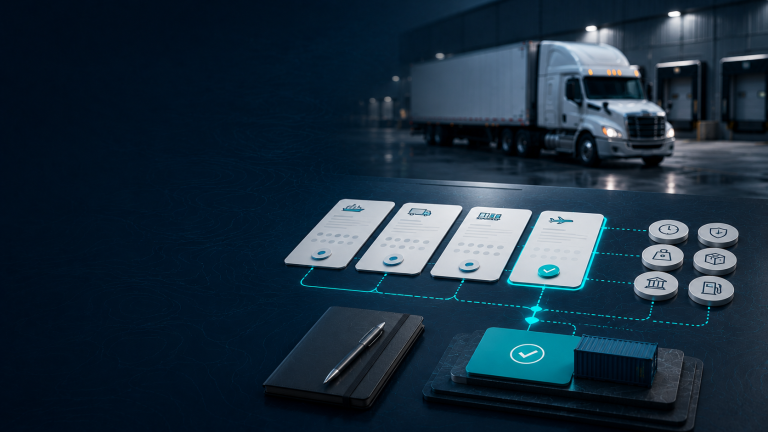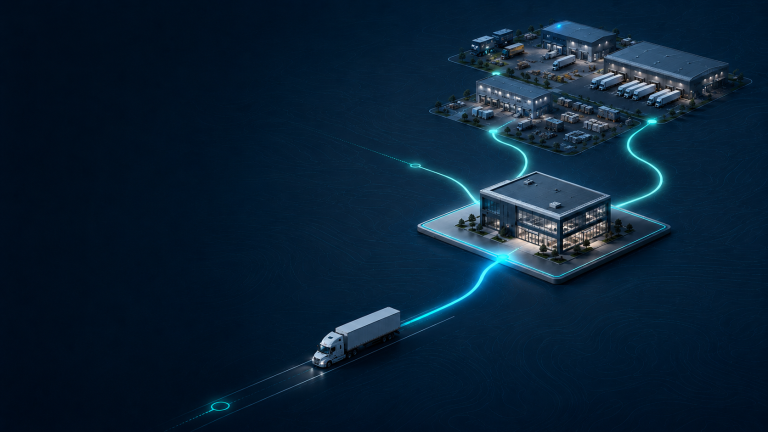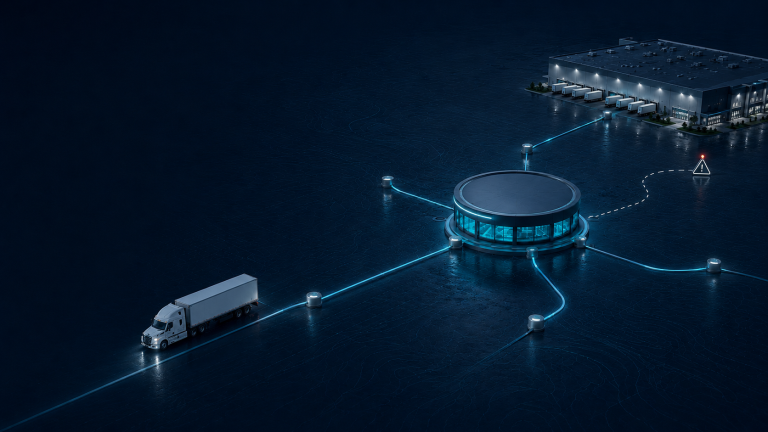


For shippers managing freight across multiple providers, lanes, facilities, and modes, transportation can feel like a constant scramble: quote the load, choose the carrier, tender it, track shipments, answer status questions, audit invoices, and explain performance to leadership. A shipper TMS brings those moving parts into one operating layer. An AI-powered shipper TMS goes further by using data, automation, and algorithms to help teams make faster decisions with less manual work.
A transportation management system is software for managing inbound and outbound shipping. For shippers, that usually means planning freight, comparing pricing, tendering loads, monitoring real-time tracking, handling carrier management, and analyzing KPIs in a dashboard. When AI is added, the TMS platform can automate repetitive workflows, recommend carrier, mode, or provider options, flag disruptions, and help optimize transport costs before a load becomes a problem.
What Makes A Shipper TMS Different?
A shipper TMS is built for companies that own or control freight, such as manufacturers, distributors, retailers, e-commerce brands, wholesalers, and other teams responsible for moving goods through a supply chain.
Unlike broker-only software, a shipper TMS helps internal logistics teams manage freight from procurement through delivery. It gives shippers a single platform for execution and decision-making instead of forcing teams to bounce between portals, spreadsheets, emails, and carrier websites.
Common functions include:
- Rate comparison and pricing analysis
- Tendering to carriers and providers
- Truckload, LTL, and intermodal planning
- Carrier network and carrier performance management
- Real-time visibility and status updates
- Freight audit and invoice review
- Dashboards for KPIs, metrics, and cost savings
- API connections to ERP, warehouse, and procurement systems
A traditional TMS solution may support many of these functions, but the work can still be highly manual. Teams may have to chase updates, copy data between systems, refresh a load board, or email carriers for ETAs. AI-powered transportation management software is built to reduce those manual processes.
What “AI-Powered” Means In A TMS Platform
AI-powered does not mean the software runs transportation without human oversight. It means the system uses data models, automation, and algorithms to improve how freight decisions are made.
In practice, an AI-powered shipper TMS can help teams:
- Recommend carriers based on pricing, service history, lane fit, and on-time performance
- Automate routine tendering, tracking, and notification workflows
- Predict likely disruptions based on shipment, carrier, lane, or market signals
- Surface exceptions before they create service failures
- Improve freight matching across truckload, LTL, and intermodal moves
- Reduce the time spent reviewing carrier performance and transport costs
- Turn shipment data into practical insights for procurement and RFP planning
Think of it as moving from a static freight database to an active decision engine that helps interpret information and push the next best action to the user.
Why Shippers Are Moving Beyond Legacy Portals
Legacy portals and spreadsheets often survive because they are familiar. A team may have one spreadsheet for routing guides, one portal for a carrier, another dashboard for shipment tracking, and email threads for exceptions. That setup may work at low volume, but it becomes fragile as freight complexity grows.
The problems usually show up in four places: manual work, fragmented visibility, weak carrier measurement, and uncontrolled cost leakage. If coordinators re-key shipment details, copy rates into spreadsheets, and manually update status notes, they spend too much time on administration. Without end-to-end real-time visibility, logistics teams may not know a shipment is at risk until a customer or facility asks for an update. And without structured carrier performance data, transport costs can leak through spot market overuse, weak routing discipline, poor load consolidation, inefficient LTL selection, and invoice errors.
Core Workflows An AI-Powered Shipper TMS Should Support
An effective shipper TMS should support both the daily execution of freight and the strategic work of improving the network.
Freight Procurement and RFP Management
Transportation procurement is not just collecting rates. It requires understanding lanes, volumes, mode mix, service expectations, provider fit, and pricing trends. A TMS should help shippers run cleaner RFP processes, compare providers, and manage routing guides after awards are made.
AI can strengthen procurement by highlighting which lanes are volatile, which carriers perform well, and where an alternative mode, trucking partner, or carrier network could improve service or costs.
Tendering and Load Execution
Tendering is where planning becomes action. A modern TMS should automate tendering rules, send loads to the right carrier, track acceptance, and escalate exceptions when capacity is not secured.
For high-volume teams, this is where automation matters most. If every tender requires manual touches, the team cannot scale without adding headcount. A cloud-based TMS can streamline workflows so coordinators manage exceptions instead of routine steps.
Real-Time Tracking and Exception Management
Shippers need more than “in transit” updates. They need real-time tracking, accurate ETAs, proactive notifications, and a clear view of which load is late, at risk, or missing data.
Tilt’s technology emphasizes visibility, real-time insights, predictive updates, and automation to help logistics teams make smarter decisions from a central platform. Its public site describes capabilities around real-time tracking, AI, data analytics, and automation, which aligns with what many shippers expect from a modern TMS experience.
Carrier Management, Audit, and Analytics
Carrier performance should be measured continuously, not only during annual bid season. A strong TMS dashboard should show metrics such as tender acceptance, on-time pickup, on-time delivery, cost per lane, service exceptions, and responsiveness.
Freight audit also matters because it directly affects profits. Shippers should be able to compare contracted pricing against invoices, review accessorial charges, and identify cost trends before they become normal. When execution data, freight audit, and carrier performance live together, teams can see the relationship between service, routing, and spend.
What AI Adds To Daily Logistics Operations
AI has the most value when it turns raw transportation data into faster operational action. In a shipper TMS, that can happen in several practical ways.
AI can prioritize exceptions so the team sees the loads most likely to miss a delivery window. It can improve decisions by comparing historical performance, current capacity signals, price, service requirements, and mode options. It can reduce communication lag with automated status updates and notifications. It can also support better decision-making by turning patterns in cost, delays, and carrier behavior into usable insights.
How Lighthouse Fits The AI-Powered Shipper TMS Category
For a platform like Lighthouse, the category opportunity is clear: shippers need a user-friendly, cloud-based TMS that brings freight execution, visibility, analytics, and automation into one place.
A strong AI-powered shipper TMS should help shippers manage freight operations from a single platform, connect systems through API integrations, automate routine tendering and status workflows, monitor KPIs, improve carrier management, support procurement, and respond faster to disruptions.
That combination is what separates a modern TMS platform from a basic shipper portal. The value is not only in digitizing freight data; it is in using that data to improve day-to-day execution.
How To Evaluate A Shipper TMS
When comparing a TMS solution, shippers should look beyond the feature checklist. Ask whether the platform can handle your mix of truckload, LTL, intermodal, and brokered freight. Confirm that it integrates with your ERP, warehouse systems, and carrier providers through APIs. Review whether it can automate tendering, status updates, and exception workflows.
A useful platform should show real-time visibility, cost metrics, and carrier performance in one user-friendly dashboard that can scale as logistics operations grow.
Final Thoughts: The Modern TMS Is A Freight Decision Engine
An AI-powered shipper TMS is not just software for booking loads. It is a modern operating system for freight execution, visibility, and transportation decision-making.
For shippers, the value comes from connecting workflows that have historically lived in separate places: pricing, tendering, tracking, carrier management, freight audit, procurement, reporting, and exception management. When those functions are connected in a single platform, teams can streamline shipping operations, control transport costs, improve carrier performance, and make smarter decisions in real time.
Lighthouse fits this shift by giving shippers a clearer path beyond legacy portals, disconnected tools, and manual processes. If your team is ready to see how an AI-powered TMS can support better freight operations, request a Lighthouse demo and explore what a smarter transportation management system can do for your network.