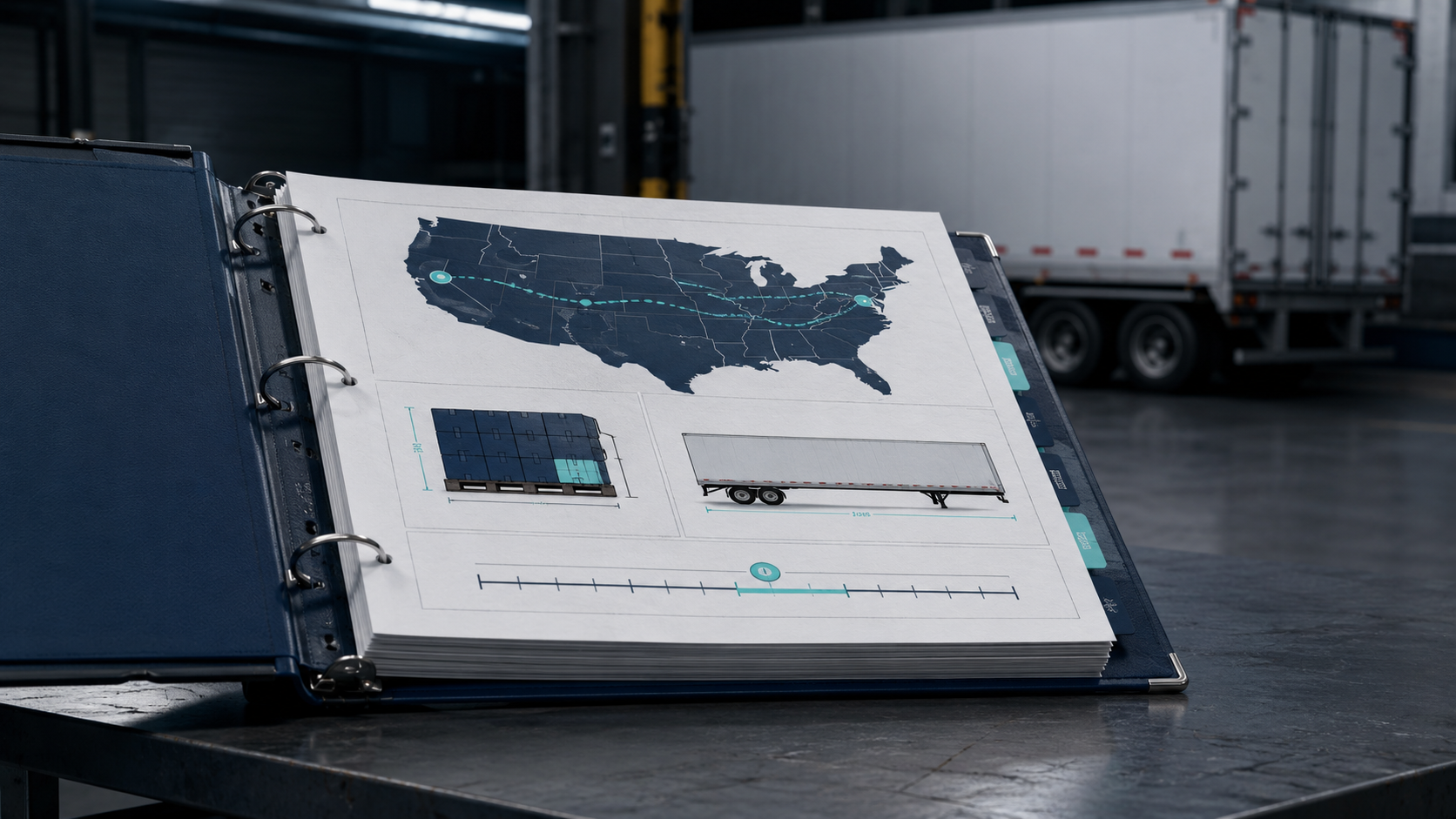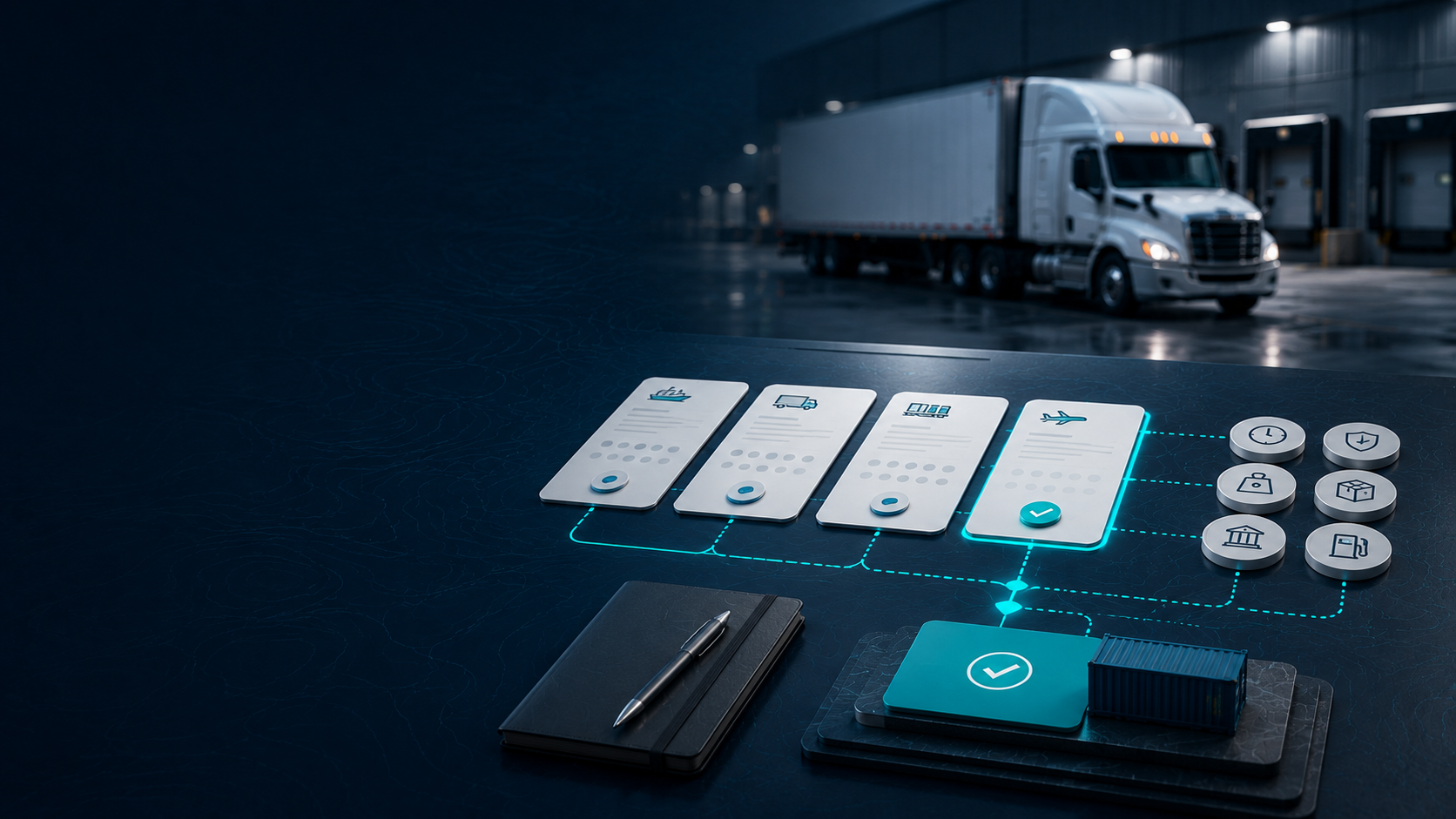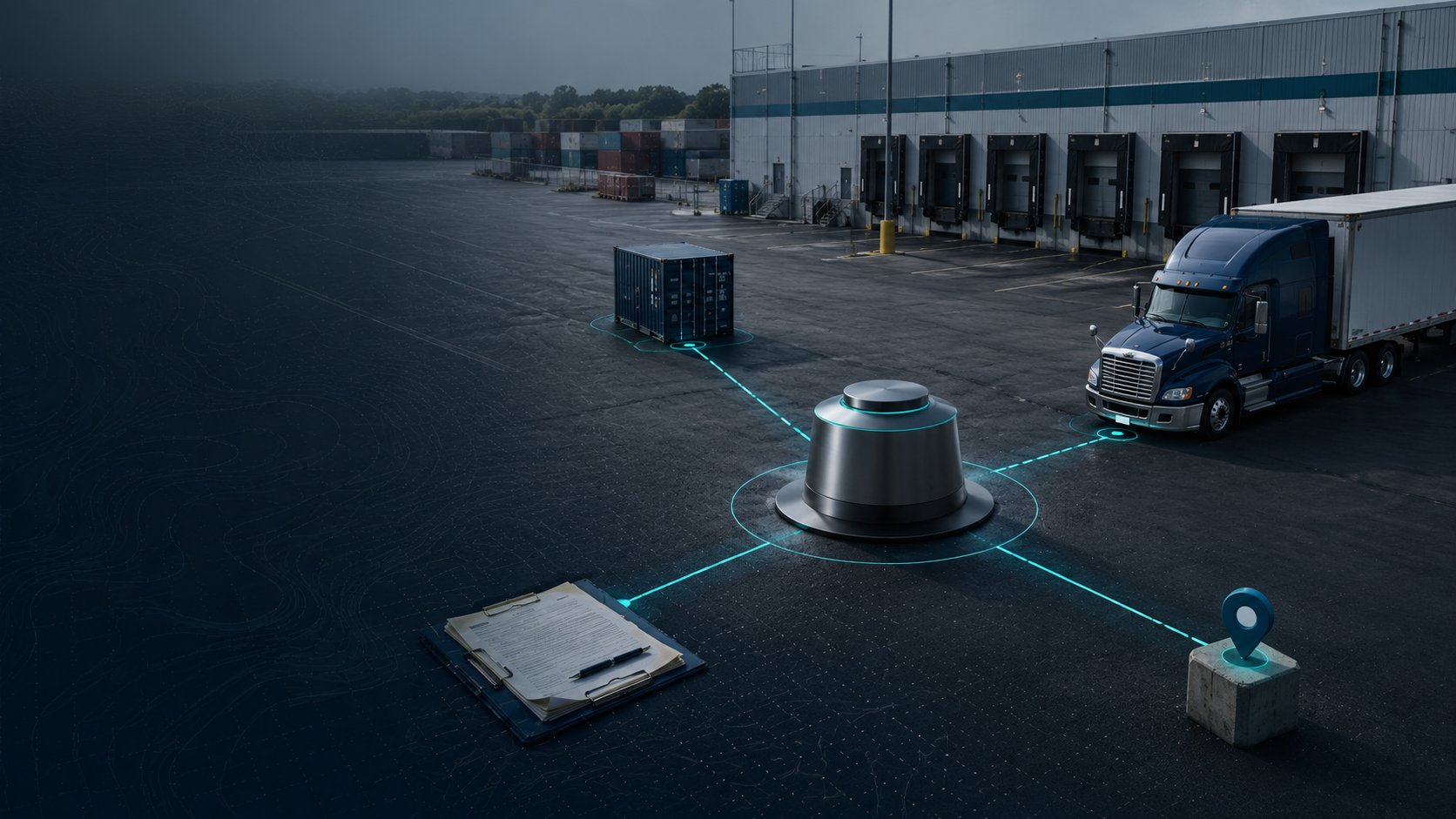
Freight AI is the use of artificial intelligence to support transportation decisions and day-to-day freight execution. For shippers, the most valuable applications are usually practical: faster quote comparison, cleaner shipment visibility, fewer manual processing steps, better document handling, and earlier awareness of shipment delays.
That matters because freight work is still highly fragmented. A growing shipper may manage LTL, FTL, trucking, rail, and occasional other modes through a mix of emails, spreadsheets, broker portals, carrier calls, and a basic TMS. The result is not just extra work. It is uncertainty. Teams lose time searching for updates, comparing rates without enough context, and explaining issues after they have already affected the customer experience.
Freight AI should help logistics operations move with more clarity. It should not replace human freight judgment, and it should not turn every workflow into a black box. The best use of AI is to organize context, reduce repetitive work, and help people make better decisions.
What Freight AI Means In Plain Language
Freight AI uses predictive analytics, AI models, and structured data to improve freight workflows. In practice, that can mean a system learns from past shipments, identifies patterns across transit times, highlights missing tracking updates, summarizes documents, or recommends which load needs attention first.
Some teams hear AI and imagine full automation. That is usually the wrong mental model for shipper freight. Freight moves through a real supply chain with constraints, exceptions, costs, service requirements, and human relationships. AI should support decisions, not erase accountability.
A useful freight AI platform should help the team answer questions such as:
What quote options are reasonable for this lane and mode?
Which shipments are missing updates?
Which exceptions may affect delivery?
Which documents are still needed?
Which carriers or providers have performed well on similar freight?
Where are fuel costs, accessorials, or service issues changing the economics of a lane?
Where Freight AI Helps Shipper Teams
Quote Comparison
One of the most common shipper pain points is quote comparison. Rates may come from freight forwarders, digital freight brokers, carriers, or internal routing guides. The team still has to understand price, speed, service reliability, mode fit, and risk.
AI can help by organizing comparable options and surfacing context. For example, a freight AI workflow may compare LTL and FTL options, account for historical lane performance, and show where a lower price may come with longer transit times or greater service uncertainty.
This is where shippers can leverage AI without turning the process into an automated decision. The system supports the evaluation. The freight team still decides.
Shipment Visibility
Freight AI can also improve visibility. Traditional shipment tracking often tells users where a shipment was last seen. Better systems help explain which shipments need attention now.
For example, if a shipment has not updated, if a delivery appointment is at risk, or if transit times are trending longer on a lane, the platform should help the team see the issue before the customer asks about it. That improves internal coordination and customer experience.
Document And Message Handling
Freight operations generate constant communication. Emails, status notes, bills of lading, proofs of delivery, invoice details, and claims materials all create manual processing burden.
AI agents and automation can help summarize messages, connect documents to the right shipment record, extract key details, and reduce repetitive data entry. Used carefully, this can give logistics coordinators more time for exception management and partner communication.
Exception Triage
Shipment delays are not all equal. Some require immediate action, some need proactive communication, and some only require monitoring. Freight AI can help classify exceptions, prioritize work, and make sure the right person sees the right issue at the right time.
For small and growing shippers, this is often more valuable than a large dashboard. The team needs to know what changed and what to do next.
What Freight AI Should Not Become
Freight AI should not become a vague promise that AI will fix every logistics problem. Some AI claims come from fleet management use cases rather than shipper freight workflows, so shippers should be careful with claims around route optimization when evaluating platforms. Route guidance can create operational and compliance concerns, and it may not be relevant to a shipper that is managing freight through carriers, brokers, or logistics partners rather than directing drivers.
A practical freight AI platform can still support smarter freight matching, capacity comparison, visibility, sustainability analysis, and exception awareness. For example, matching freight more intelligently can help reduce empty miles, support sustainability goals, and improve network efficiency without telling a driver which road to take.
The distinction is important: freight AI should improve freight decisions, not overstep into areas the platform does not control.
How Freight AI Connects To A TMS
A TMS helps manage transportation workflows such as tendering, booking, shipment status, documents, and freight payment. Freight AI can strengthen those workflows by adding context and automation.
In a basic system, a user may need to search for shipment history, compare emails manually, and build reports outside the platform. In an AI-enabled workflow, the platform can surface relevant history, identify exceptions, and help summarize performance.
This can support operations, procurement, finance, and customer-facing teams. Operations gets clearer execution visibility. Procurement gets better lane and carrier context. Finance gets cleaner freight cost information. Leadership gets a better view of the supply chain.
Security And Governance Matter
AI in freight depends on data: shipment data, customer information, provider details, documents, rates, and performance history. Shippers should ask how that data is protected and governed.
This is especially important for companies with privacy, contractual, or regional compliance requirements. If GDPR or other data requirements apply, teams should involve qualified advisors and internal stakeholders. At a practical level, shippers should look for clear user permissions, auditability, secure access, and responsible data handling.
Freight AI should make the operation more trusted, not less transparent.
How To Evaluate Freight AI Tools
Shippers should evaluate freight AI through real workflows, not feature claims. A practical checklist includes:
Does it support the modes we use, including LTL, FTL, trucking, rail, or other modes when relevant?
Does it reduce manual processing in quoting, booking, tracking, documents, or invoicing?
Does it improve shipment visibility and exception management?
Does it explain recommendations clearly enough for users to trust?
Does it help compare transit times, cost savings opportunities, service tradeoffs, and provider performance?
Does it support sustainability reporting or emissions awareness where needed?
Does it work with human support when freight becomes complicated?
Does it fit how the team actually works today while giving the operation room to scale?
A freight AI tool should earn adoption by making the daily workflow easier.
Where Tilt Fits
TILT builds freight technology for more connected, visible, and intelligent operations. Lighthouse, TILT's shipper-facing platform, is designed to centralize freight workflows so shippers can manage quotes, shipments, documents, analytics, automation, security, and sustainability in one operating layer.
The goal is not to use AI as a buzzword. The goal is to help shippers make better freight decisions with more context and less manual friction.
The Bottom Line For Shippers
Freight AI is most useful when it solves real shipper problems. It should help teams compare options, see exceptions earlier, manage documents more cleanly, understand performance, and reduce repetitive work.
For growing shippers, the right AI-enabled freight platform can make the supply chain more visible and the transportation workflow easier to control without removing the human judgment that freight still requires.
FAQs
Q: What is freight AI?
A: Freight AI is the use of artificial intelligence, machine learning, predictive analytics, and automation to support freight workflows such as quoting, tracking, documents, exception management, and reporting.
Q: Can freight AI replace a logistics team?
A: No. Freight AI should support logistics teams by reducing repetitive work and surfacing better context, while people continue to make operational decisions and manage relationships.
Q: What should shippers look for in freight AI?
A: Shippers should look for practical workflow support, shipment visibility, strong data handling, clear recommendations, mode coverage, security, adoption support, and useful analytics.
See your freight in a new light.
Lighthouse gives logistics teams live shipment visibility, carrier signals, and exception alerts, without the manual work.
Request Access