Getting an accurate freight quote starts with understanding what you're shipping. For businesses using less-than-truckload transportation, LTL freight class is an important factor affecting shipping rates and final transportation costs.
An incorrect freight class can lead to inaccurate quotes, unexpected reclassification charges, and billing disputes after delivery.
However, determining the correct classification involves more than shipment weight. Density, handling, stowability, and liability can influence how freight is classified.
Understanding these factors helps shippers prepare accurate records, compare LTL carriers, and avoid unnecessary shipping expenses.
What Is LTL Freight Class?
LTL freight class is a standardized classification used to describe commodities transported through less-than-truckload shipping networks.
The National Motor Freight Classification (NMFC) provides commodity descriptions and classification provisions used throughout the LTL industry.
Maintained by the National Motor Freight Traffic Association (NMFTA), the freight classification system helps carriers evaluate shipment characteristics consistently.
Freight classes range from class 50 to class 500, depending on the applicable commodity provisions.
Dense, easily handled products may qualify for lower classes under certain density-based rules, while freight requiring specialized handling may be classified differently.
The important distinction is that freight class is not determined by weight alone.
What Determines LTL Freight Class?
Four primary characteristics help explain how freight classification works.
Density
Density measures shipment weight relative to occupied space, expressed in pounds per cubic foot (PCF).
A compact, heavy pallet generally has higher density than a large, lightweight shipment.
For commodities governed by density-based provisions, this measurement helps establish the applicable freight class.
Handling
Handling describes how easily freight can be loaded, moved, and unloaded.
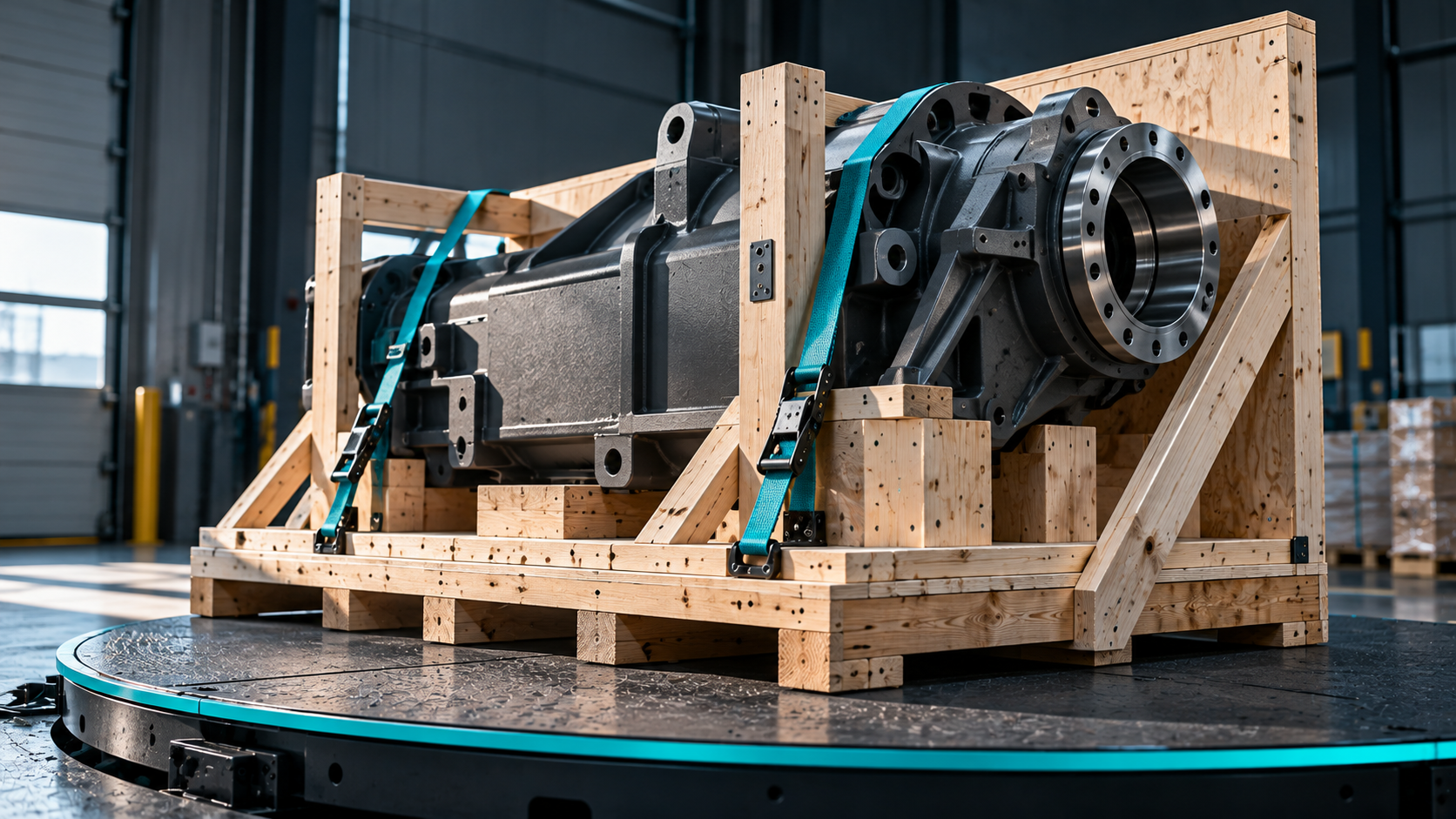
Oversized machinery, irregular packaging, or specialized equipment requirements can create additional handling challenges.
Stowability
Stowability measures how efficiently freight fits alongside other cargo.
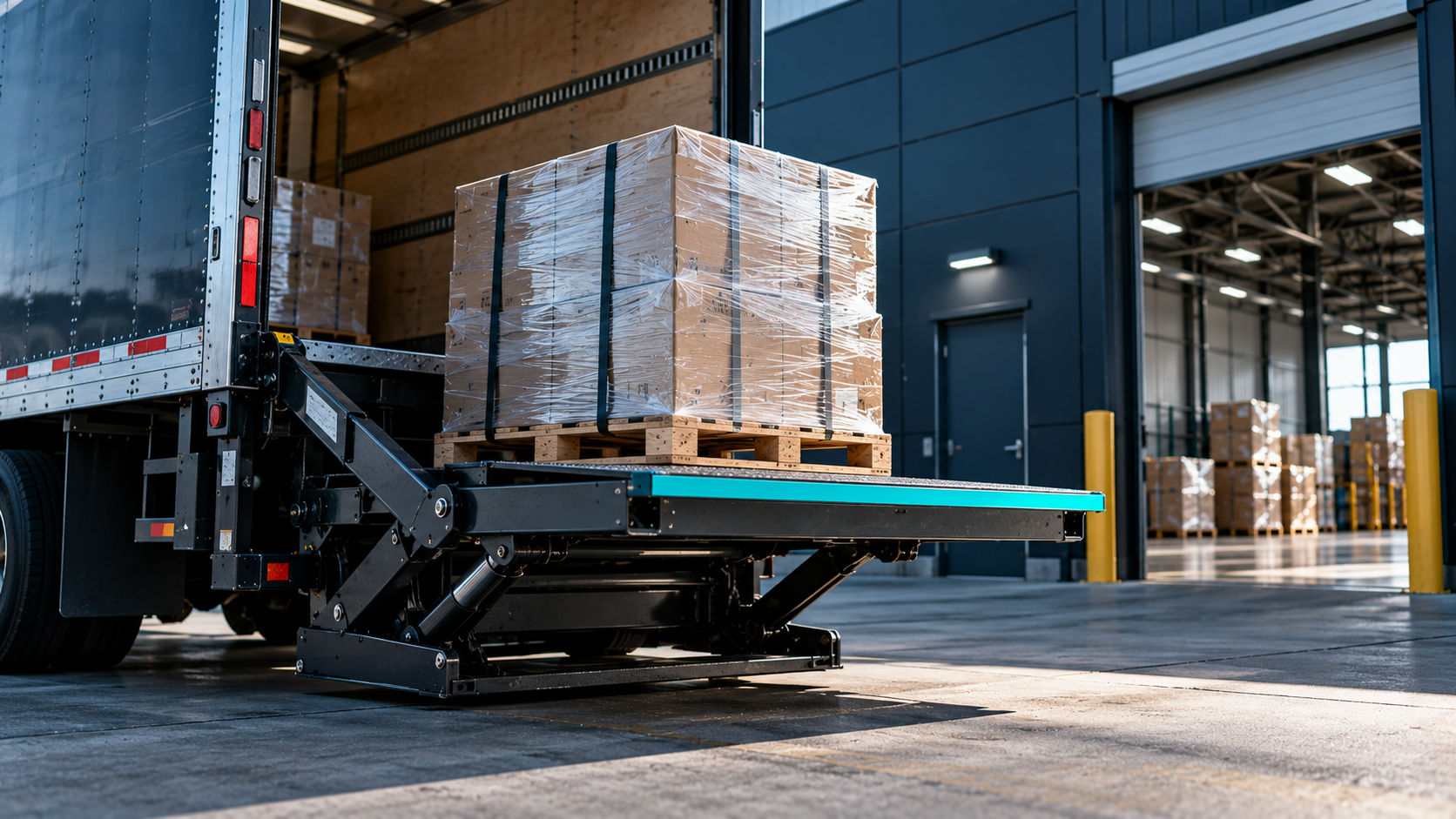
Shipments that cannot be stacked or require unusual placement may occupy additional trailer capacity.
Liability
Liability considers transportation risks, including damage susceptibility and other commodity-specific characteristics.
These factors explain why two shipments with similar dimensions may have different classifications.
The NMFTA's classification updates explain how the classification framework has evolved.
How to Calculate Freight Density
A density calculator helps shippers determine one measurement used in LTL freight classification.
First, measure the fully packaged shipment's length, width, and height in inches.
Multiply those dimensions and divide by 1,728 to calculate cubic feet.
Cubic feet = (Length × Width × Height) ÷ 1,728
Next, divide total weight by cubic volume.
Density = Total weight ÷ Cubic feet
For example, consider a pallet measuring 48 × 40 × 60 inches and weighing 600 pounds.
Its volume is approximately 66.67 cubic feet, producing a density of 9 pounds per cubic foot.
A freight density calculator simplifies this process, but it does not automatically determine the correct NMFC code.
Similarly, a freight class calculator may provide an estimate, but shippers must verify current classification requirements before booking.
Understanding Freight Classes 50 Through 500
The standard LTL freight class range extends from class 50 to class 500.
Class 50 may apply to qualifying high-density commodities, while class 500 represents the upper end of the classification range.
However, not every heavy shipment belongs in class 50, and lightweight freight does not automatically qualify for class 500.
The correct classification depends on the applicable NMFC item and its requirements.
This distinction became especially important following classification changes implemented in July 2025.
The NMFTA expanded standardized density-based classification for applicable commodities while retaining provisions addressing handling, stowability, and liability.
Shippers can review the NMFTA's classification FAQs for additional guidance.
How to Find the Correct NMFC Code
Each commodity covered by the NMFC has an applicable item description and classification requirements.
Before requesting an LTL freight quote, identify the product, verify its NMFC item number, and review any applicable density brackets or packaging provisions.
The NMFTA's ClassIT+ platform provides access to current classification information.
Businesses shipping recurring products should maintain verified commodity records and review them when packaging or classification rules change.
Using outdated NMFC codes can lead to reclassification, invoice adjustments, and additional administrative work.
How Freight Class Affects Shipping Costs
Freight class influences LTL shipping rates, but several other factors contribute to the final price.
Carriers may consider transportation distance, shipment weight, available capacity, negotiated agreements, and accessorial services.
Two shipments with identical dimensions may receive different shipping rates because their commodities have different classifications.
Likewise, different LTL carriers may quote different prices for the same shipment.
When comparing freight quotes, businesses should confirm that each carrier uses consistent shipment information.
Our LTL freight cost control guide explains how reclassification, reweighs, and accessorial charges influence final transportation expenses.
Accurate classification helps make freight cost comparisons more dependable.
Common Freight Classification Mistakes
Many classification errors begin with incomplete shipment details.
Common problems include using outdated NMFC codes, estimating pallet dimensions, excluding packaging weight, or relying exclusively on density.
Shippers may also reuse an old freight class after changing packaging or pallet configuration.
Another mistake is confusing freight classification with separate transportation regulations.
For hazardous materials, additional rules may govern packaging, documentation, and transportation.
The FMCSA's cargo securement guidance provides information about securing cargo during highway transportation.
Maintaining accurate product descriptions and packaged measurements helps reduce repeated mistakes.
What Happens When a Carrier Reclassifies Freight?
Reclassification occurs when a carrier determines that the recorded freight class differs from the applicable classification.
This may happen following an inspection, weight verification, or review of the commodity description.
The carrier may then adjust the original shipping rate.
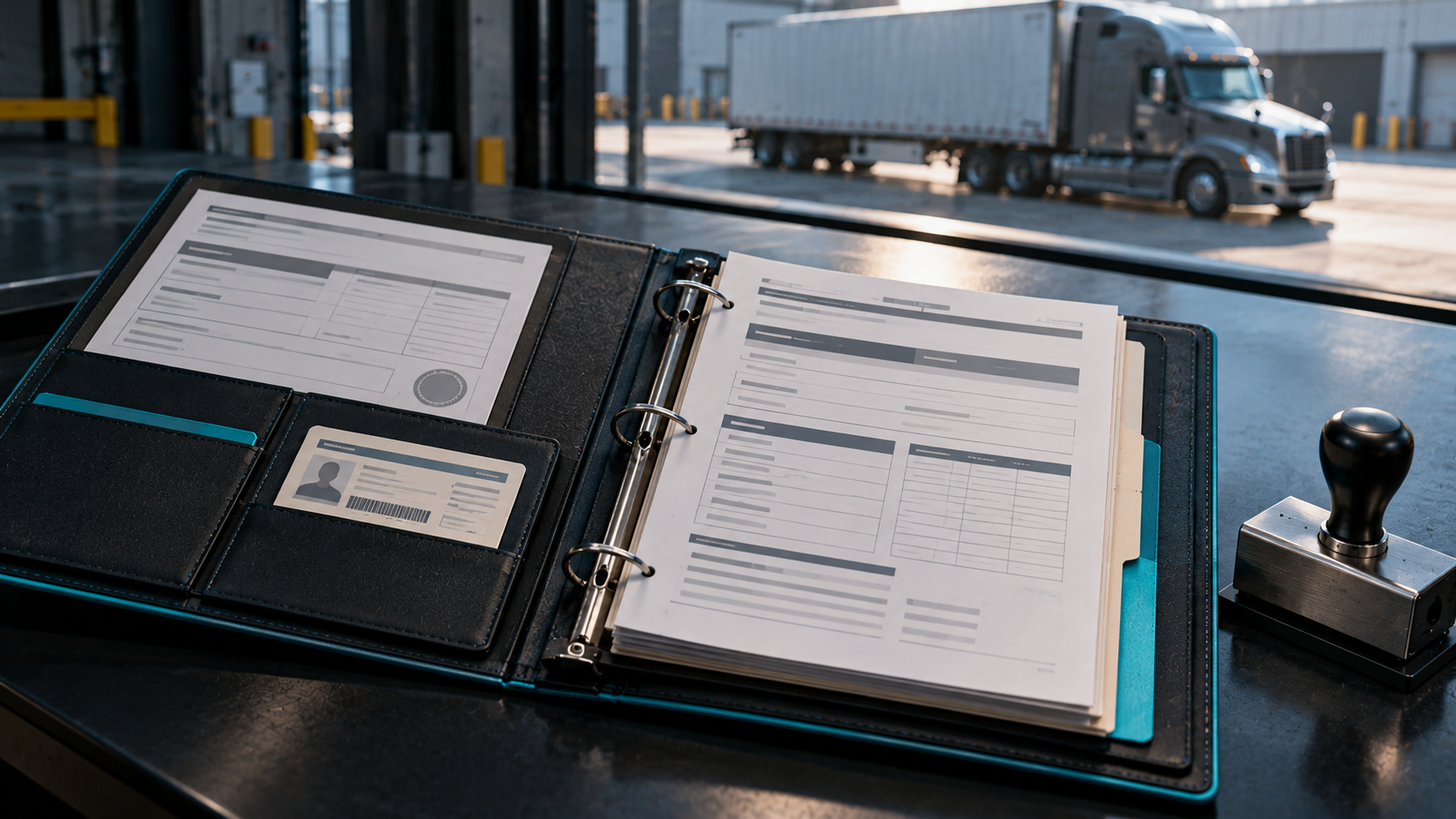
When reviewing a reclassification, shippers should compare the carrier's findings with the original NMFC code, dimensions, weight, and shipping documentation.
If a discrepancy exists, preserve the supporting records and follow the carrier's dispute process.
Our freight rate management software guide explains why connecting quoted rates with final transportation charges supports better freight cost management.
How to Prepare Accurate LTL Shipments
Accurate freight classification begins before carrier pickup.
Warehouse teams should verify packaged dimensions, total weight, and commodity descriptions.
Transportation teams should confirm the applicable NMFC class and ensure the bill of lading (BOL) matches the original freight quote.
Packaging changes should trigger a new measurement and classification review when necessary.
Our LTL freight management guide covers broader quoting, booking, and tracking practices for growing shippers.
A transportation management system (TMS) can help organize shipment details, carrier records, and supporting documentation.
Lighthouse, our shipper-facing platform, focuses on connected freight information, visibility, and operational intelligence.
Technology supports accurate records, but verification against current NMFC requirements remains essential.
Review a Recurring LTL Shipment
Select a frequently shipped product and verify its current NMFC item, packaged dimensions, total weight, and applicable class. Update the shipment record and confirm that the bill of lading and quote use consistent information before pickup.
FAQ
Q: How do I find my LTL freight class?
A: Identify the commodity, verify its NMFC item number, and review the current classification provisions. A density calculator provides measurements but cannot independently establish the correct class.
Q: Is freight class determined only by density?
A: No. Handling, stowability, liability, and commodity-specific NMFC provisions can also affect classification.
Q: What is the difference between class 50 and class 500?
A: They represent opposite ends of the standard freight class range. The applicable class depends on the current NMFC requirements.
Q: Can the same product have different freight classes?
A: Potentially. Changes in packaging, density, or classification provisions may affect the assigned class.
Q: What happens if my freight is reclassified?
A: The carrier may adjust the original transportation charge. Shippers should review the documentation and applicable NMFC provisions before accepting or disputing the adjustment.
Related Resources:
See your freight in a new light.
Lighthouse gives logistics teams live shipment visibility, carrier signals, and exception alerts, without the manual work.
Request Access