An LTL freight quote is an estimate built from the shipment information available before pickup. The final invoice reflects what the carrier reports actually happened. When those two records do not match, shipping costs can change through reweighs, reclassification, accessorial charges, or service adjustments.
That variance is one of the hardest parts of LTL freight management. A low rate at booking does not create cost control if the invoice arrives with charges the team did not expect, cannot validate, or does not have the documentation to dispute.
This LTL freight shipping guide focuses on the commercial and operational controls behind less-than-truckload shipping. For a broader explanation of how LTL shipping works, start with the introductory guide. Here, the goal is to connect the freight quote to the final shipment record and understand why quoted and invoiced LTL costs differ.
Why Quoted And Invoiced LTL freight Costs Differ
LTL shipping depends on shared trailer capacity and an LTL network of terminals, local pickup-and-delivery operations, and linehaul moves. Unlike FTL or full truckload, where one shipment generally uses the trailer, less-than-truckload freight is priced according to the space, handling, service conditions, and carrier network required for each shipment.
That means LTL pricing depends on more than mileage. The quoted amount may reflect:
The number and type of pallets
Total weight and packaged dimensions
Density and freight class
Origin, destination, and distribution center requirements
Expected transit times and service level
Pickup and delivery accessorial needs
The selected LTL carrier and its lane coverage
The invoice may change when the carrier records different shipment characteristics or performs a service that was not included in the original quote. Effective cost control starts by making the pre-shipment record as accurate as possible and preserving evidence through delivery.
Prevent Reweighs And Reclassification
Reweighs and reclasses are common sources of LTL invoice variance because weight, dimensions, density, and commodity information directly affect LTL rates.
Measure The Freight As Shipped
Record the total packaged weight, including the pallet, wrap, crate, and protective material. Measure the longest, widest, and tallest points after packaging. Include overhang rather than using only the pallet footprint.
A shipment entered as one standard pallet may occupy more trailer space once the freight is wrapped or crated. When an LTL carrier measures a larger handling unit or records a higher weight, the pricing basis can change.
Use Accurate Density And Freight Class Data
Density compares weight with the cubic space the freight occupies. The same weight can produce different LTL pricing when one shipment is compact and another uses substantially more trailer space.
Freight class also considers shipment characteristics such as density, handling, stowability, and liability. The bill of lading should use an accurate commodity description and the appropriate classification information. Generic descriptions or copied values from an older shipment can create avoidable reclassification disputes.
A transportation management system can reduce repeat errors by saving validated commodity profiles, package dimensions, and handling requirements. The system should still allow users to update the record when packaging changes.
Identify Accessorials Before Booking
An accessorial is a service or condition outside the standard dock-to-dock move. These charges often appear because the physical pickup or delivery environment differs from the information entered during quoting.
Common LTL accessorials include:
Liftgate service
Residential pickup or delivery
Limited-access locations
Appointment delivery
Inside delivery
Detention
Redelivery
Sort and segregate services
The best control is accurate facility data. Each ship-from and ship-to location should have a current profile covering dock availability, operating hours, appointment rules, contact information, equipment needs, and access restrictions.
For example, selecting a commercial location does not automatically mean the site has a usable dock. A liftgate may still be required. Distribution centers may require appointments even when they receive freight every day. Dispatching instructions should carry those details into the carrier request rather than leaving them in a separate email.
When an accessorial cannot be known in advance, the shipment record should capture who requested the service, when it occurred, and which document supports the charge.
Compare Service, Not Only Shipping Rates
The lowest LTL rate is not always the lowest final transportation cost. A slower or less suitable service can create redelivery, detention, customer penalties, expedited recovery, or additional administrative work.
Carrier selection should consider:
Lane and terminal strength
Expected transit times
On-time delivery performance
Pickup reliability
Communication and real-time tracking coverage
Claims experience and liability considerations
Facility compatibility
History of reweighs, reclasses, and accessorial billing
National LTL carriers may provide broad coverage, while regional LTL freight carriers may offer strong density and service within specific markets. Freight brokers or a freight management partner may also provide access to multiple providers through one workflow.
Use carrier selection data as one part of a broader review. A TMS should help compare shipping rates and service options across the carrier network while preserving carrier performance by lane, facility, and service type. Strong carrier relationships still depend on accurate tenders, realistic requirements, and consistent communication from the shipper.
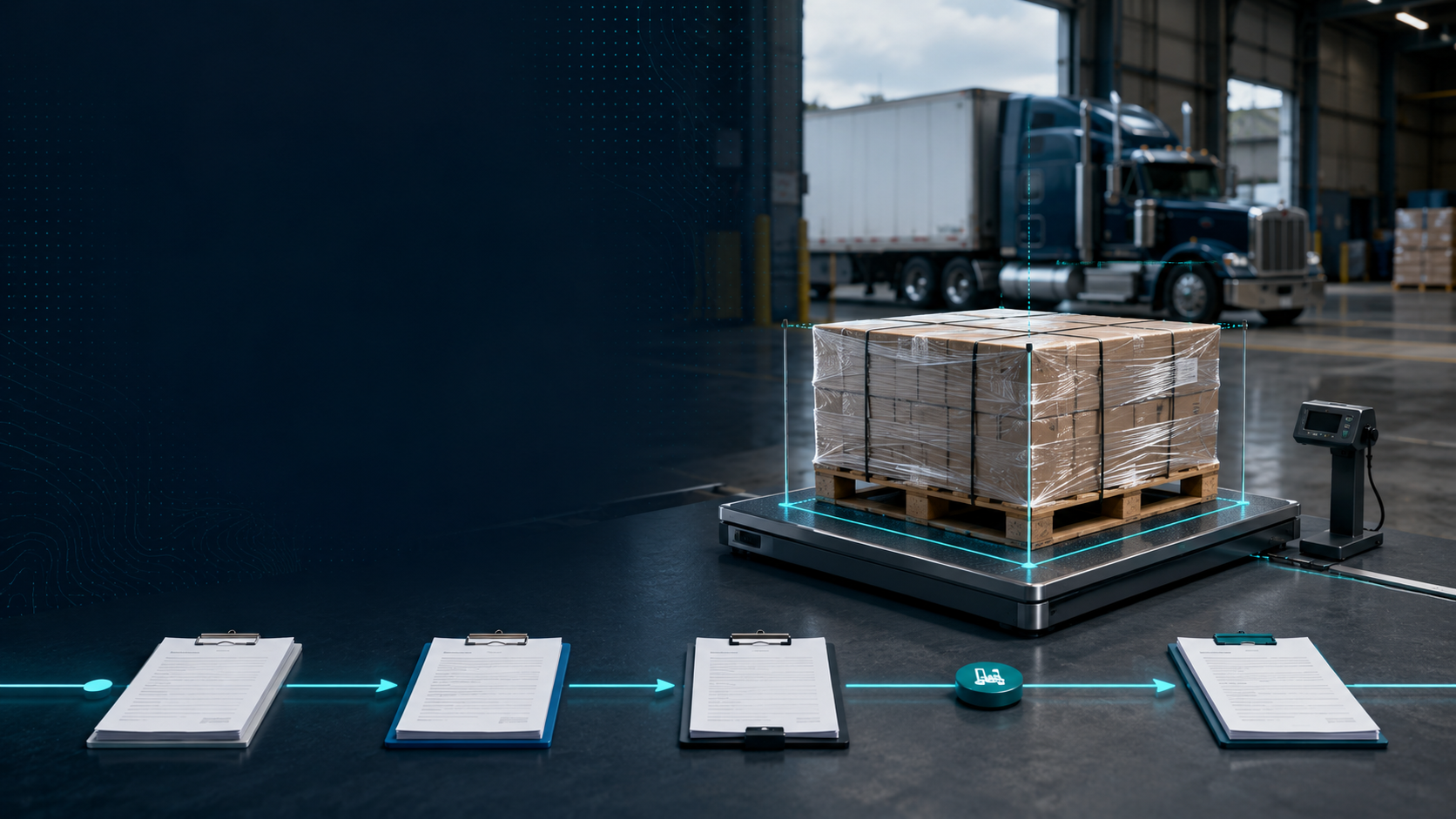
Build One Quote-To-Invoice Shipment Record
Invoice review is difficult when the quote is in one portal, dispatching notes are in email, tracking events are in another system, and delivery documents are stored in a shared folder.
The shipment record should preserve:
The accepted freight quote and included services
Weight, dimensions, density, freight class, and pallet count
Pickup and delivery facility profiles
The bill of lading
Carrier confirmation and dispatch details
Real-time tracking events and shipment visibility updates
Appointment changes and exception communication
Proof of delivery and supporting receipts
The carrier invoice and charge-level detail
This connected record gives logistics management and finance teams the evidence needed to compare the original commercial decision with the final bill.
Documents also matter when freight is damaged or short. Packaging should reflect the normal handling environment of less-than-truckload shipping and follow applicable cargo securement rules. Photos, delivery records, and correspondence should remain attached to the shipment. For a deeper workflow, review Tilt's guide to freight claims management.
How To Review An LTL Freight Invoice
A disciplined invoice review compares the billed amount with the booked rate and the shipment evidence rather than looking only at the total.
Confirm The Base Shipment Details
Verify the origin, destination, carrier, service level, shipment date, pallet count, weight, and reference numbers. A mismatch may indicate that the invoice is connected to the wrong record or that shipment data changed after booking.
Compare Weight, Dimensions, And Class
Review any carrier reweigh or reclassification against the original documentation. Confirm that the dimensions represent the freight as shipped and that the commodity description matches the bill of lading.
Validate Every Accessorial
Match each accessorial charge with facility data, appointment notes, proof of service, or exception communication. Determine whether the service was required, requested, included in the quote, or caused by inaccurate information.
Check Service And Delivery Evidence
Compare the billed service with actual transit and delivery events. Shipment visibility and on-time delivery records help explain whether a premium service was delivered and whether a delay created other costs.
Route Disputes Through A Consistent Workflow
Assign ownership, preserve the original invoice, attach supporting evidence, record the disputed amount, and track the provider response. This is operational guidance, not legal advice; questions involving contracts, tariffs, claims, or liability should be reviewed with qualified advisors.
Use Cost Data To Improve Future LTL Shipping
One disputed invoice may be an isolated issue. Repeated charges usually point to a process, facility, commodity, or provider pattern.
Analyze transportation costs by:
Lane and origin-destination pair
Facility and customer location
LTL carrier or freight broker
Commodity and freight class
Accessorial type
Reweigh and reclass frequency
Quoted amount versus invoiced amount
Service level and carrier performance
This analysis can show whether a distribution center repeatedly creates detention, whether one commodity profile has inaccurate density, or whether a carrier relationship produces frequent billing variance on a specific lane.
The purpose is not to avoid every charge. Some accessorials are necessary. The purpose is to understand them before booking when possible, document them when they occur, and prevent the same avoidable issue from repeating across the supply chain.
How Lighthouse Supports LTL Cost Control
At Tilt, we are building Lighthouse to connect quoting, booking, dispatching, real-time tracking, shipment visibility, documents, carrier selection, analytics, and invoice review in one shipper workflow.
For LTL freight management, that means carrying the data behind the rate into the shipment record rather than rebuilding it at every stage. Facility requirements, bill of lading details, carrier communication, delivery evidence, and invoice charges can remain connected to the same load.
A connected transportation management system also makes it easier to compare LTL rates with service history, review cost variance, and analyze transportation costs by lane, facility, carrier, and charge type. The goal is practical: help a small or growing freight team improve control without adding more spreadsheets, inbox searches, or disconnected portals.
The Bottom Line
LTL freight cost control begins before pickup. Accurate weight, dimensions, density, freight class, facility information, and accessorial requirements create a stronger quote. Service-aware carrier selection and complete shipment records make the final invoice easier to validate.
Treat the freight quote and freight transportation invoice as two points in the same workflow. When the data, documents, tracking events, and communication stay connected, shippers can resolve discrepancies faster, identify recurring causes, and make better LTL shipping decisions over time.
To explore how Lighthouse can connect LTL pricing, shipment execution, and invoice review for your team, request a TILT demo.
See your freight in a new light.
Lighthouse gives logistics teams live shipment visibility, carrier signals, and exception alerts, without the manual work.
Request Access