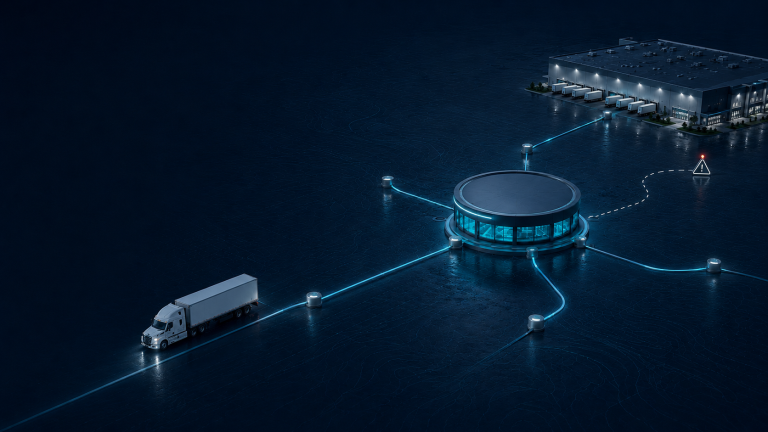

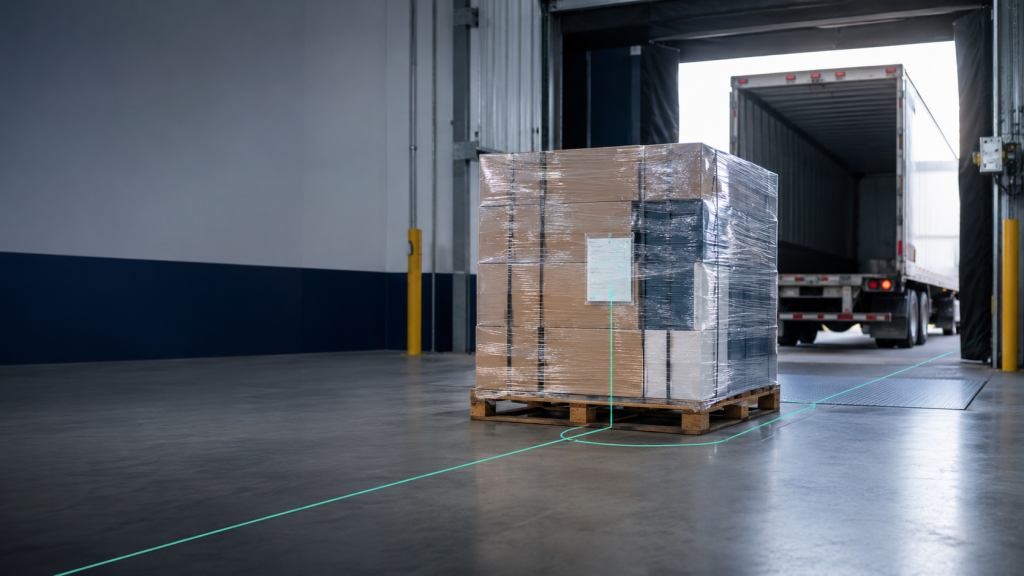
LTL freight management matters because less-than-truckload shipping can be efficient, flexible, and cost-effective, but it can also become difficult to manage without clear processes. Small and growing shippers often use LTL shipping when they do not have enough freight to fill a full truckload. That makes the mode useful for palletized orders, recurring replenishment, distribution center deliveries, and freight that moves through shared carrier networks.
The challenge is that LTL shipments involve more variables than many teams expect. Freight class, dimensions, weight, stowability, accessorials, pickup requirements, delivery appointments, consignee requirements, transit times, and documentation all affect cost and execution. When those details live across spreadsheets, emails, and carrier portals, it becomes harder to control transportation costs and keep freight moving.
A stronger LTL freight management process gives shippers better visibility, cleaner documents, more consistent quoting, and faster exception response.
What LTL Freight Management Includes
LTL freight management is the process of quoting, booking, tracking, documenting, and managing less-than-truckload freight. It includes the operational work before, during, and after the shipment.
For most shipper-side teams, that means:
- Comparing LTL carriers and service options
- Preparing accurate shipment details
- Managing the bill of lading and BOL data
- Confirming freight class, dimensions, and packaging
- Monitoring shipment tracking and status updates
- Communicating with providers when exceptions happen
- Reviewing accessorials, freight rates, and invoices
- Managing damage claims when freight is lost or damaged
Transportation management systems, a freight management platform, or an AI-powered shipper TMS can help centralize this work so the team is not rebuilding the process for every move across the supply chain.
When LTL Shipping Makes Sense
LTL shipping is often a good fit when freight does not require an entire truck trailer. It can work well for a few pallets, crated freight, smaller recurring orders, or shipments moving through distribution centers where flexible capacity matters.
Compared with FTL, or full truckload, LTL freight shipping typically shares trailer space with freight from other shippers. That shared model can create cost savings, especially when the shipment is smaller than a truckload. It can also introduce more handling, more terminal activity, and different service expectations.
That tradeoff is important. A low rate is not always the best choice if the freight is fragile, time-sensitive, poorly packaged, difficult to classify, or likely to require inside delivery or appointment coordination. LTL management should help teams evaluate cost, reliability, risk, and service requirements together.
Why LTL Pricing Can Be Hard to Control
LTL pricing depends on several shipment characteristics. Teams need to understand the inputs that affect shipping rates before they can improve cost control.
Freight Class
Freight class helps carriers price LTL shipments based on characteristics such as density, handling, liability, and stowability. If the class is inaccurate, the shipment may be reclassified, which can lead to additional charges.
Dimensions and Weight
Accurate weight and dimensions are essential. A shipment that is larger, heavier, or less stackable than expected can affect LTL pricing and carrier handling.
Packaging and Handling
Pallets, crated freight, packaging quality, and handling requirements all matter. Better preparation can reduce damage risk and make the shipment easier to move through an LTL network.
Accessorials
Inside delivery, liftgate service, limited access locations, residential delivery, appointment requirements, detention, and re-delivery can all affect final cost. Many accessorials are legitimate service charges, but they are harder to manage when teams cannot see patterns across shipments.
Transit Times and Service Expectations
Transit times in LTL are often estimates rather than guarantees unless a specific service level is purchased. Shippers should align expectations with customer requirements, consignee availability, and the sensitivity of the freight.
Why Visibility Matters in LTL
LTL shipments can pass through multiple facilities and handling points. That makes shipment visibility especially important. A team needs to know whether freight was picked up, whether it is in transit, whether it is delayed, whether delivery was attempted, and whether proof of delivery is available.
Centralized visibility helps reduce the daily manual work of checking carrier portals or waiting for email updates. It also helps the team identify exceptions before they become customer issues.
For example, a logistics coordinator may need to know which LTL shipments are at risk of missing an expected delivery window, which shipments are missing documents, or which consignee locations frequently create delays. A manager may need to see carrier performance, on-time delivery trends, and transportation costs by lane or customer. Finance may need clearer accessorial backup and invoice context.
A connected freight management workflow turns tracking from a passive status check into an operational decision tool. It can also help teams compare service across LTL carriers, logistics providers, and freight brokers without losing the shipment context.
Documents That Matter for LTL Freight
Documentation is one of the easiest places for LTL processes to break down. The bill of lading is especially important because it communicates shipment details to the carrier and supports execution, billing, and claims workflows.
Shippers should keep key documents connected to the shipment record, including:
- Bill of lading
- Packing list when needed
- Proof of delivery
- Accessorial backup
- Carrier invoices
- Cargo insurance documents when applicable
- Photos or supporting details for damage claims
Document management becomes more valuable as volume grows. Without a central record, teams spend too much time searching inboxes and shared drives. With a central record, teams can resolve questions faster and maintain better accountability.
How Technology Improves LTL Freight Management
Technology does not remove the operational complexity of LTL, but it can make the work more organized. A useful platform should help teams compare options, book shipments, track status, manage documents, and analyze performance from one place.
API connections and EDI may help exchange shipment data with carriers, providers, or internal systems when available. A TMS or freight management platform can also help standardize fields such as freight class, dimensions, pickup details, delivery requirements, and reference numbers.
Automation can reduce manual entry, flag missing information, and make recurring workflows easier to repeat. Analytics can help shippers review freight rates, accessorial trends, on-time delivery, carrier performance, deadhead miles where relevant to capacity strategy, and potential cost savings. A modern platform should also help teams scale without adding more spreadsheets every time volume increases.
How Lighthouse Supports LTL Workflows
Lighthouse is Tilt’s shipper-facing platform for centralized freight workflows, visibility, transparent pricing, security, automation, analytics, and decision support. For LTL freight management, that means helping shippers move from scattered quoting and tracking work into a more connected process.
A strong LTL workflow should help the team compare shipment options, book with the right details, attach the right documents, monitor shipment status, and understand what needs attention. It should also support better reporting for operations, procurement, and finance stakeholders.
For growing shippers, this can be the difference between reacting to every shipment manually and managing LTL freight with a repeatable operating model.
The Bottom Line for Shippers
LTL freight can be a strong option for small and growing shippers, but it requires disciplined management. Cost, service, documents, carrier communication, and visibility all matter.
A connected LTL freight management process helps teams move beyond one-off shipments and into a more scalable way of working. With better quoting, cleaner shipment data, centralized documents, and stronger tracking, shippers can control more of the work without adding unnecessary complexity.
Talk to Tilt about how Lighthouse helps shipper teams manage LTL freight with more visibility, control, and confidence.
FAQ
Q: What is LTL freight management?
A: LTL freight management is the process of quoting, booking, tracking, documenting, and managing less-than-truckload shipments. It helps shippers control costs, improve visibility, coordinate carriers, and manage exceptions.
Q: What is the difference between LTL and full truckload?
A: LTL freight shares trailer space with freight from other shippers, while full truckload typically uses an entire trailer for one shipper. LTL can be more cost-effective for smaller shipments, while FTL may be better for larger, more direct, or more sensitive moves.
Q: Why do LTL accessorials happen?
A: Accessorials usually happen when a shipment requires extra services or conditions beyond the base linehaul move. Examples include liftgate service, inside delivery, appointment delivery, limited access locations, and re-delivery.