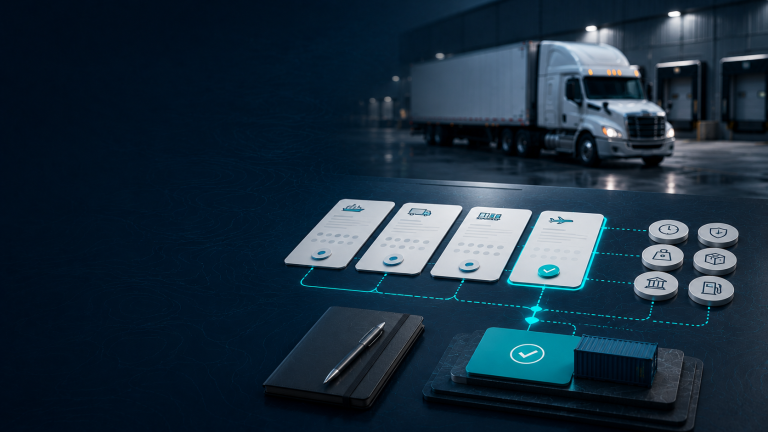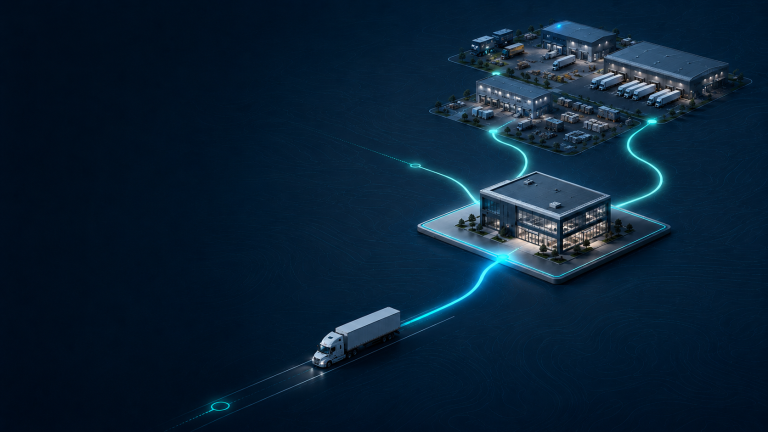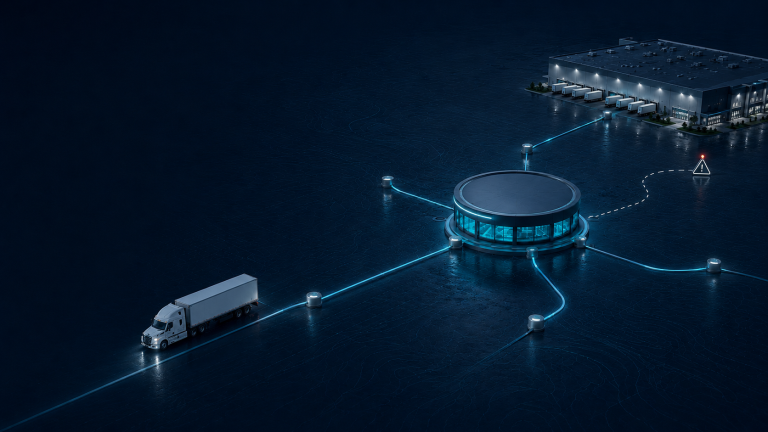

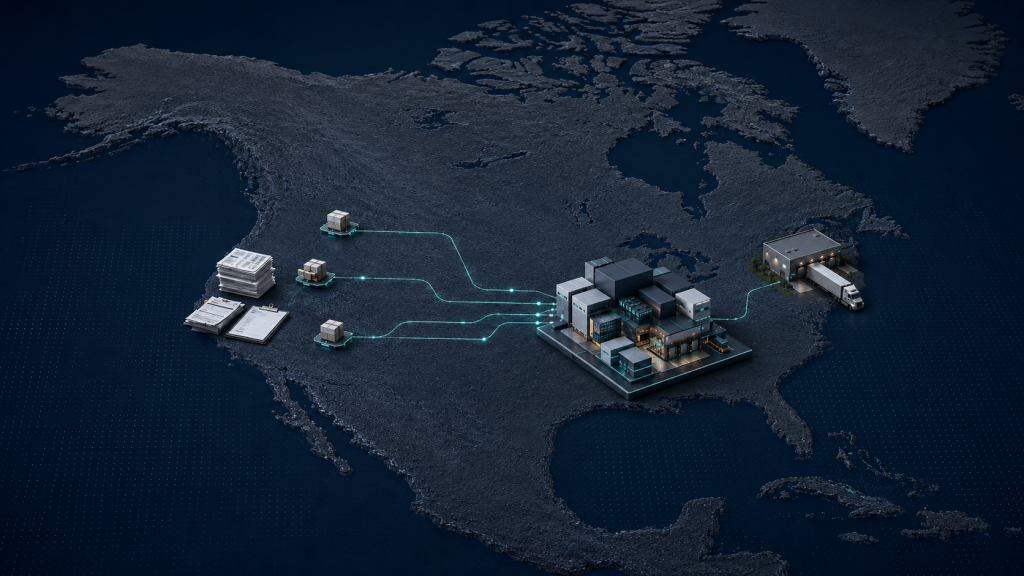
For many growing shippers, freight management still depends on a mix of spreadsheets, email chains, phone calls, carrier portals, and broker-by-broker updates. That may work when shipment volume is low or the operation is simple, but it becomes harder to manage as the business adds lanes, modes, facilities, SKUs, providers, and customer expectations.
Digital freight management gives teams a more connected operating model. Instead of treating each shipment as a one-off transaction, it brings quoting, booking, shipment tracking, freight documents, exception awareness, analytics, and execution support into a shared workflow. The goal is not to replace freight expertise with software alone. The goal is to give shippers better visibility, cleaner digital data, and more control over the decisions they already have to make every day.
Tilt builds technology for that kind of freight operation across the supply chain. Lighthouse, Tilt’s shipper-facing platform, is designed around the practical work shippers need to complete: comparing options, booking freight, monitoring status, managing documents, understanding performance, and making faster decisions with less manual work.
What Digital Freight Management Means
Digital freight management is the use of digital technology, connected workflows, and operational data to manage freight more clearly from quote through delivery. It can include a transportation management system, freight management system, FMS capabilities, analytics layer, shipment visibility tools, document management, provider communication, and automation across repetitive tasks. Many transportation management systems support parts of this work, but shippers should evaluate whether the full workflow is connected.
For shippers, the important question is not whether a platform sounds modern. It is whether it helps the team manage real logistics operations. A useful model should help answer questions like:
- What shipment options are available?
- Which provider, mode, and service level make sense for this move?
- Has the shipment been booked correctly?
- Are the required documents attached and accessible?
- What is the current shipment status?
- Which exceptions need attention now?
- How are costs, accessorials, and service levels trending over time?
That is where digital freight management differs from a simple brokerage interaction. A traditional freight broker may help arrange a load. A digital freight management model should also help the shipper organize the work around that load.
Why Traditional Freight Workflows Break Down
Manual workflows usually fail slowly. One spreadsheet becomes several. One inbox thread becomes a long chain of attachments and updates. One carrier portal becomes five. Then the logistics team starts spending more time looking for information than acting on it.
The biggest issues usually show up in four areas.
Fragmented Quoting and Booking
When quotes live in email or separate portals, it is difficult to compare options consistently. Teams may evaluate price, service level, mode, carrier fit, and timing differently from shipment to shipment. That makes it harder to build repeatable decision processes.
Limited Real-Time Tracking
Real-time tracking is valuable only when it is connected to the rest of the workflow. A location update in one system and a document in another still leaves the team stitching together context. Shippers need shipment visibility that helps them understand what changed, who needs to act, and what downstream work may be affected.
Document Friction
Bills of lading, proofs of delivery, invoices, cargo insurance documents, accessorial backup, and claims files all matter. When documents are disconnected from the shipment record, teams waste time searching, forwarding, and reconciling.
Weak Decision Support
A spreadsheet can record what happened, but it rarely explains what to do next. Modern freight teams need advanced analytics, lane-level trends, provider performance, cost visibility, and exception patterns that support better decisions.
The Role of Data, Automation, and AI
Digital transformation in freight should be practical. It should not be a vague technology story or a disconnected artificial intelligence pitch. For shipper-side teams, the value comes from making daily work easier and more accurate.
Automation can reduce repetitive manual steps such as copying shipment details, requesting status updates, organizing documents, and flagging missing information. Machine learning and predictive analytics can support pattern recognition across pricing, service performance, accessorial exposure, and exception activity. Internet of things and IoT-connected signals may also support freight visibility where the data is available and relevant.
That said, shippers should be careful with broad claims. Blockchain, computer technology, and other digital tools only matter when they solve a specific operational problem. The best platforms focus on practical outcomes: clearer shipment status, cleaner digital data, more consistent processes, stronger scalability, and better decision-making.
What Shippers Should Look For
A strong digital freight management platform should help teams move from fragmented tasks to connected execution.
Centralized Shipment Visibility
The platform should give the team a single place to see shipment status, documents, providers, service details, and exceptions. Visibility should be useful for logistics coordinators, managers, finance stakeholders, and operations leaders.
Connected Quoting and Booking
Quoting and booking should be part of the same workflow. Shippers should be able to compare options, understand tradeoffs, and move into execution without rekeying details across systems.
Freight Document Management
Documents should attach to the shipment record and be easy to retrieve. This matters for freight audit, claims workflows, customer communication, and internal accountability.
Security and Regulatory Compliance Support
Shippers should evaluate whether the platform supports secure access, role-based workflows, and compliance-aware documentation practices. A freight platform should not replace qualified legal, customs, insurance, or regulatory advisors, but it should help structure information so teams can manage requirements more consistently.
Analytics That Connect to Action
Advanced analytics should help teams understand spend, service performance, accessorials, provider behavior, and lane-level trends. The best analytics are not just dashboards. They help the team decide where to focus.
Sustainability Visibility
Sustainability is becoming part of freight decision-making for many companies. A modern platform should make it easier to understand emissions-related data where available and to evaluate operational choices with long-term efficiency in mind.
Digital Freight Management Versus a Digital Freight Broker
The distinction matters. A digital freight broker may provide an online way to request pricing or book shipments. Digital freight management is broader. It is about managing the operating layer around freight: data, visibility, documents, workflows, analytics, automation, and execution support.
For a small or growing shipper, this difference is practical. The team may not need a complex enterprise implementation, but it does need a better way to manage daily work. The right platform should help the business grow without adding unnecessary manual steps every time shipment volume increases.
For a mid-market or enterprise shipper, the same idea scales into governance, reporting, integrations, procurement visibility, security, and process consistency across teams and locations.
How Lighthouse Fits the Category
Lighthouse is Tilt’s shipper-facing platform for freight visibility, centralized workflows, transparent pricing, analytics, automation, security, and practical decision support. It is built to help shippers manage freight from a more connected place instead of relying on disconnected portals and manual updates.
That does not mean technology removes the need for people. Freight still requires judgment, communication, and responsive execution when conditions change. The value of a platform like Lighthouse is that it gives the team a clearer operating layer for the work: what is being quoted, what is booked, what needs attention, what documents are missing, and what the data says about performance.
The Bottom Line for Shippers
Digital freight management is not about adding technology for its own sake. It is about giving shippers a more reliable way to manage freight work as the business becomes more complex.
When quoting, booking, tracking, documents, analytics, and execution support are connected, teams can spend less time chasing updates and more time making better decisions. For shippers evaluating what comes after a traditional freight broker relationship, that operating layer is the real opportunity.
Talk to Tilt about how Lighthouse helps shippers centralize freight workflows, improve visibility, and build a more scalable freight operation.
FAQ
Q: What is digital freight management?
A: Digital freight management is a connected approach to managing freight using software, data, automation, visibility tools, and execution workflows. It helps shippers centralize quoting, booking, shipment tracking, documents, analytics, and provider coordination.
Q: Is digital freight management the same as a TMS?
A: Not always. A TMS may support planning, tendering, execution, and reporting. Digital freight management can include TMS capabilities, but it also emphasizes visibility, analytics, document control, automation, and the operating workflows shippers use every day.
Q: What makes digital freight management useful for small shippers?
A: It helps smaller teams reduce spreadsheet-and-email work, centralize shipment status, compare options more consistently, manage documents, and gain better visibility without needing a large internal logistics department.