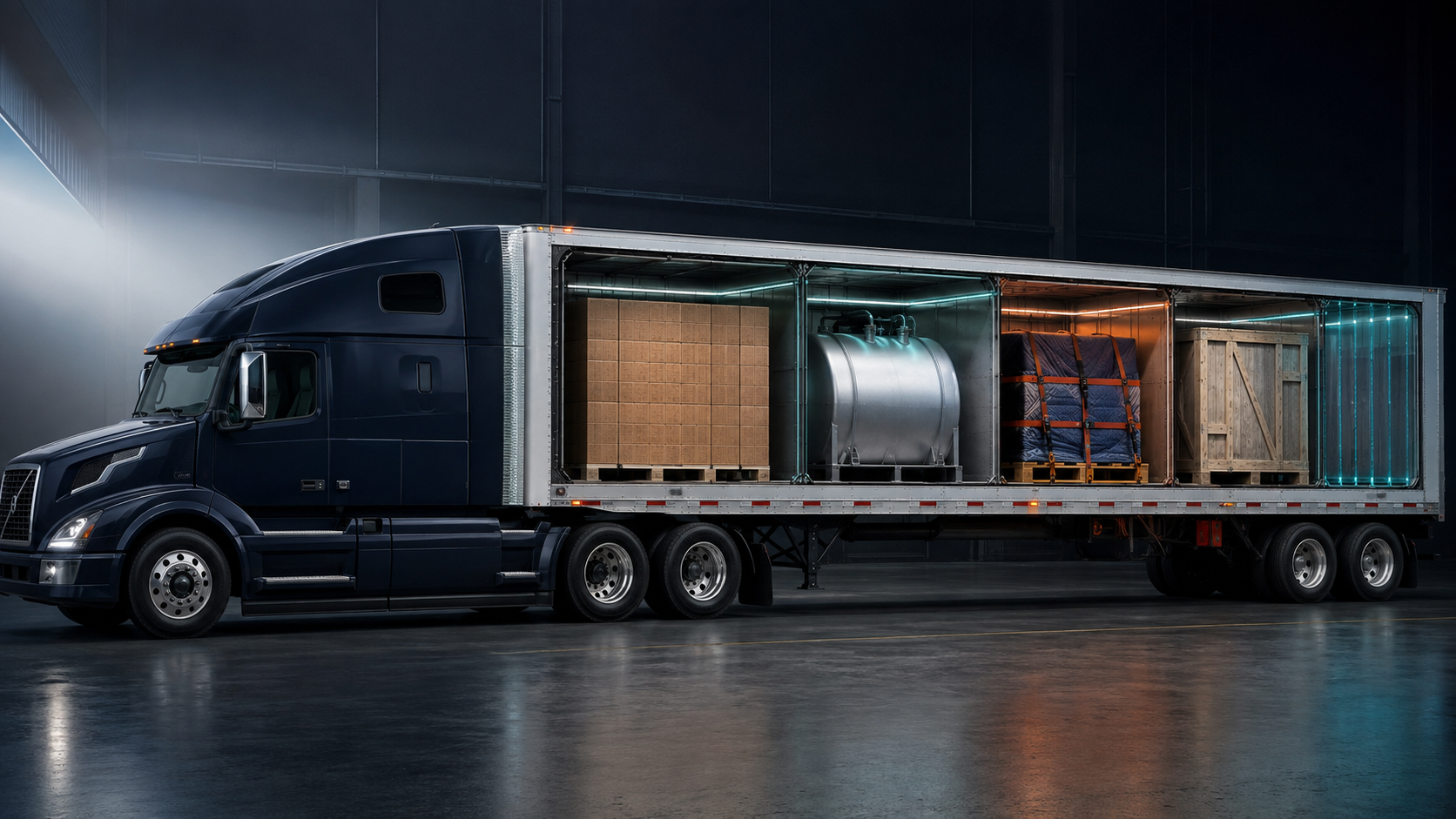
Across the logistics industry, a freight management platform and a digital freight broker can both help a shipper quote, book, and track freight. The difference is what each model is built to own.
A digital freight broker uses technology to support loads executed through its network. A freight management platform is broader: it can serve as the shipper's operating layer across providers, workflows, documents, data, and analytics.
The right choice depends on whether the team needs load execution, a transportation system, or both.
What Is A Digital Freight Broker?
A digital freight broker is a brokerage that uses software to make parts of the shipping process faster or easier. Capabilities may include online quoting, rate shopping, booking, shipment tracking, document access, and automated updates.
The broker manages carrier sourcing and execution for tendered freight. The shipper may gain a customer portal, real-time tracking, and centralized communication for those loads.
This model can be useful when a shipper needs:
Capacity for LTL or FTL shipments
Fast quotes for specific lanes
A team to handle carrier communication and exceptions
One provider responsible for execution
The main limitation is scope. The portal may provide strong visibility for loads moved by that broker but limited visibility into freight handled by other providers.
What Is A Freight Management Platform?
A freight management platform is software that helps shippers manage transportation as a connected business process. It may also include execution support, but its central role is to give the shipper a consistent system of record.
Depending on the platform, it can include:
Freight management software for quoting and booking
A freight management system or TMS
Rate management and rate shopping
Shipment tracking and real-time tracking
Shipment status and exception workflows
Carrier selection and carrier performance
Bills of lading and other shipping documents
Invoicing and invoice auditing
Automated workflows
Analytics and cost control
A customer portal for internal or external users
The Biggest Difference: Who Owns The Operating Layer?
With a digital freight broker, the broker usually owns the execution relationship and the technology experience for the loads it moves. With a freight management platform, the shipper is more likely to own the workflow, data, and provider choice.
Provider Choice
A broker portal is usually connected to the broker's own carrier network. A platform may allow the shipper to compare or manage multiple brokers, carriers, and logistics providers.
Carrier integrations using APIs or EDI can bring rates, status events, documents, and invoices into one place. The shipper can use direct carrier contracts, broker relationships, or managed transportation support without changing the operating process for every provider.
Data Ownership And Portability
A shipper should ask who can access the data, how long it is retained, and what happens if the commercial relationship changes. Shipment history, carrier performance, accessorial patterns, and lane-level costs become more valuable over time.
A platform should make that information easier to export or integrate. A broker portal may cover only the broker's own loads.
Workflow Consistency
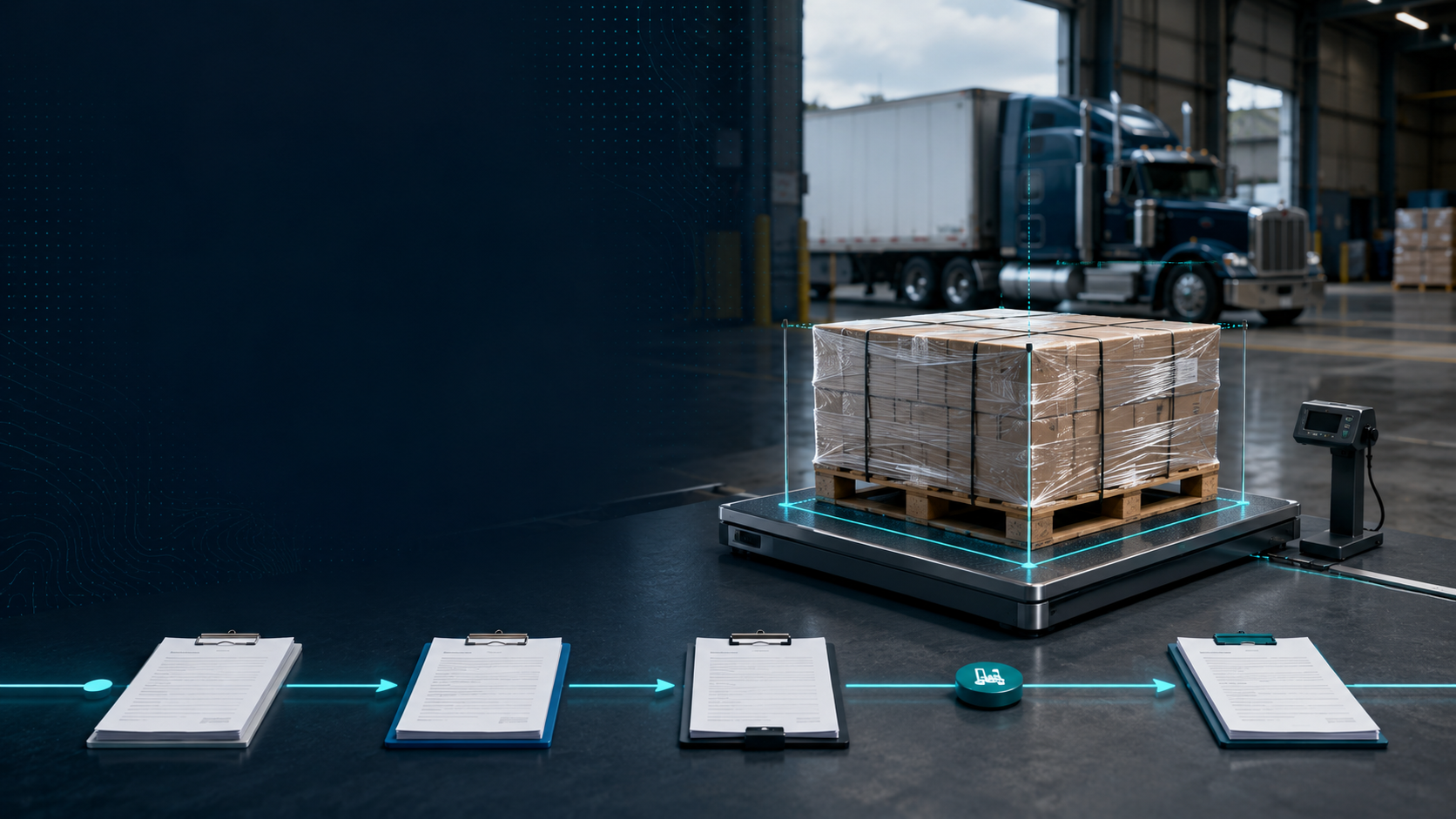
A freight management system can standardize order processing, shipment creation, booking, tracking, document collection, and invoice review. That consistency matters when several facilities or team members manage freight.
The goal is not only to digitize each task. It is to prevent the shipping process from changing based on which carrier or broker receives the load.
Technology Capabilities To Compare
Quoting And Rate Management
Both models may provide instant or fast quotes. Compare what the price represents, how long it is valid, which charges are included, and what happens when shipment details change.
A broader platform may combine direct rates, broker quotes, contracted pricing, and historical cost data. Rate management should preserve the selected option and connect it to the final invoice.
Booking And Automated Workflows
Automated workflows can reduce duplicate entry, validate required fields, generate documents, send notifications, and assign next steps. The question is whether automation works only inside one provider's process or across the shipper's wider operation.
For example, a platform may connect order management with transportation so approved orders become shipment records. It may also connect warehouse operations with pickup details or delivery appointments.
Tracking And Exceptions
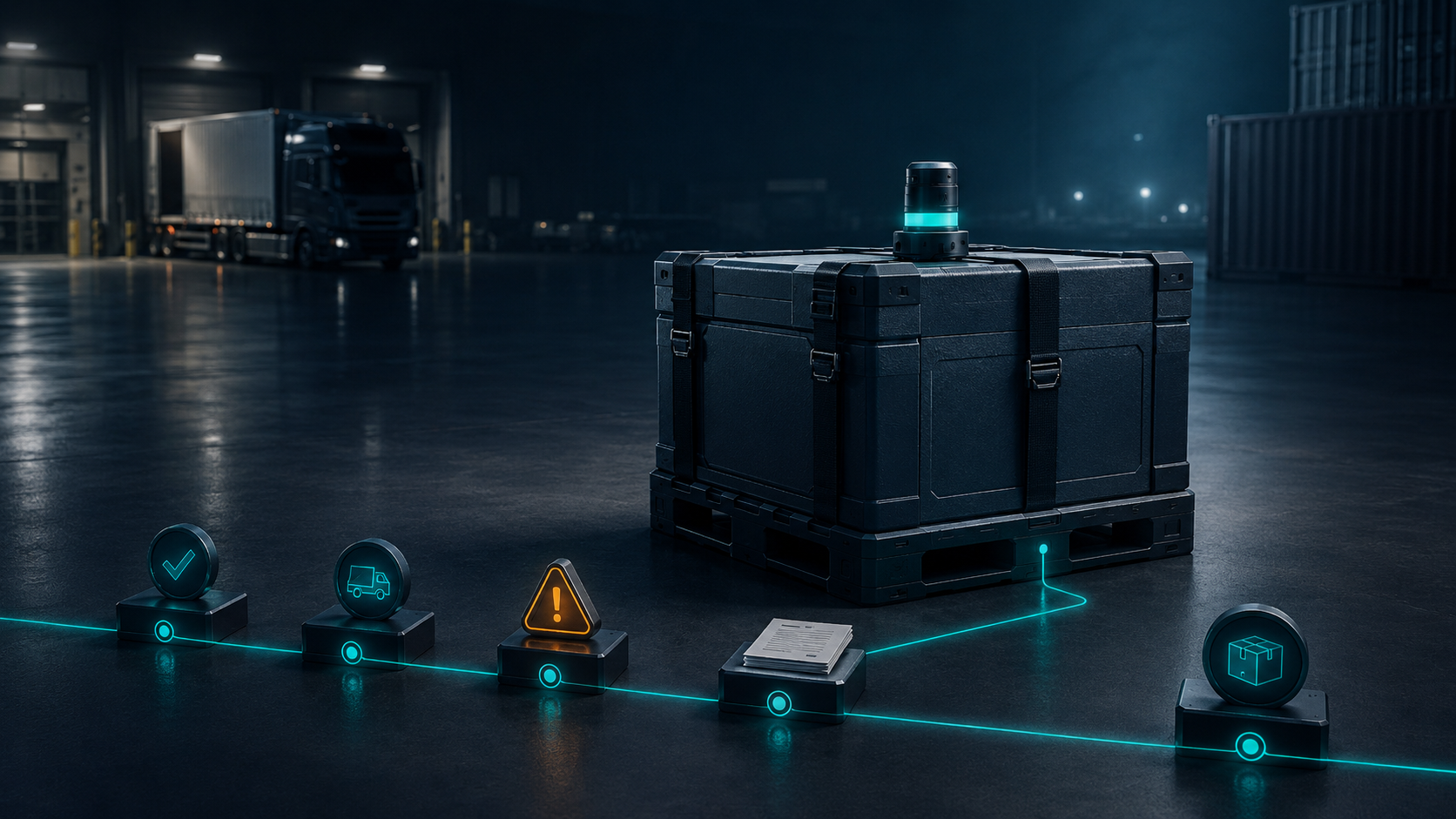
Real-time tracking and shipment tracking are valuable in both models. Shippers should ask how data is collected, how missing updates are handled, and whether the platform distinguishes confirmed events from estimates.
A broker may take direct responsibility for follow-up on the loads it handles. A platform may provide visibility across multiple providers but rely on the shipper, a managed service team, or an execution partner to resolve the exception. Some models combine both approaches.
Documents And Billing
Bills of lading, proof of delivery, rate confirmations, accessorial receipts, and invoices should remain connected to the shipment. Shipping documents are not a separate administrative detail; they are part of the operating record.
Invoice auditing compares billed charges with the booked rate, service, and supporting evidence. A platform may provide rules, workflows, or analytics for this process. A broker may manage billing for its own shipments and resolve discrepancies directly.
Analytics And Cost Control
A platform can provide a broader view of transportation costs, lane activity, mode mix, carrier performance, and accessorial exposure. That information supports supply chain management, procurement, and finance decisions.
A broker may provide useful reporting on its own book of business. The key is whether the shipper needs provider-specific reporting or an enterprise view across all freight.
How Other Software Categories Fit
Search results for freight management platform often include adjacent categories. Buyers should confirm which operating model a product is designed to support.
Transportation And Warehouse Systems
A transportation management system focuses on freight movement. A WMS focuses on warehouse management, inventory management, and warehouse operations. An ERP may manage orders, customers, financial records, and inventory. Integrations between these systems can connect order processing to execution and delivery.
An FMS may mean freight management system or fleet management system depending on the vendor. Shippers should clarify the intended meaning, especially if they do not operate an owned fleet.
Freight Forwarding Software
Freight forwarding software often supports international forwarding, ocean freight, consolidations, customs activity, and NVOCCs. Platforms and vendor names that may appear in this research include Cargowise and GoFreight. Those products serve different use cases from a domestic shipper TMS, so current capabilities should be evaluated directly.
Shipper Rate And Execution Tools
Freightview, FreightPOP, and other logistics software products may appear in searches for TMS platforms, rate comparison, or shipping execution. Buyers should evaluate each option against the same requirements.
When A Digital Freight Broker May Be The Better Fit
A digital freight broker may be a strong choice when:
The team needs immediate capacity or execution support.
Most freight can be managed through one provider relationship.
Internal transportation resources are limited.
The shipper values hands-on exception management.
A portal for the broker's loads provides enough visibility.
When A Freight Management Platform May Be The Better Fit
A freight management platform may be a stronger fit when:
The shipper uses several carriers, brokers, or modes.
Freight data is fragmented across emails and portals.
The team wants to preserve carrier choice.
Multiple facilities need the same workflow.
The business needs scalable transportation management software.
A Third Option: Platform Plus Execution Support
The comparison does not have to be software versus service. A hybrid model can combine a shipper-controlled platform with human freight expertise and execution support.
That approach can give the team:
One workflow across providers
Technology for visibility, documents, analytics, and automation
Support for quoting, booking, carrier communication, and exceptions
A growing data record for future decisions
Flexibility to use direct carriers or other partners when appropriate
At Tilt, we do not provide suggested routing. We focus on freight matching, visibility, carrier coordination, analytics, security, and workflow automation.
How Lighthouse Fits The Hybrid Model
At Tilt, we are building Lighthouse as an AI-powered shipper TMS and freight intelligence platform. It is designed to centralize quoting, booking, shipment tracking, documents, carrier information, security, sustainability data, analytics, and exception management.
Lighthouse can support a shipper's broader freight operation while connecting to technology-enabled execution when needed. The goal is to give small and growing teams the control of a platform without forcing them to manage every operational issue alone.
That positioning is different from a digital freight broker portal. The platform is intended to become the shipper's operating layer, not only the interface for freight moved by one provider.
How To Choose The Right Model
Before selecting a partner or system, document the current workflow and ask:
Do we need software, execution support, or both?
How many providers and transportation modes must the system support?
Who should own the shipment data and workflow?
Do we need a single customer portal across all freight?
Which integrations are required now and later?
How will the model support invoicing, documents, and cost control?
Who responds when tracking fails or a shipment has an exception?
Can the system scale across facilities, users, and volume?
The answers clarify the category distinction.
The Bottom Line
A digital freight broker uses technology to improve brokerage execution. A freight management platform gives the shipper a broader system for managing transportation across providers and workflows.
Choose based on the operating problem. If the need is capacity and hands-on execution, a broker may be enough. If the need is centralized visibility, reusable data, consistent processes, and flexible provider management, a platform may create more long-term value. Many growing shippers will benefit from a combination of both.
To evaluate which model fits your freight operation, talk with TILT about Lighthouse and your current workflow.
See your freight in a new light.
Lighthouse gives logistics teams live shipment visibility, carrier signals, and exception alerts, without the manual work.
Request Access