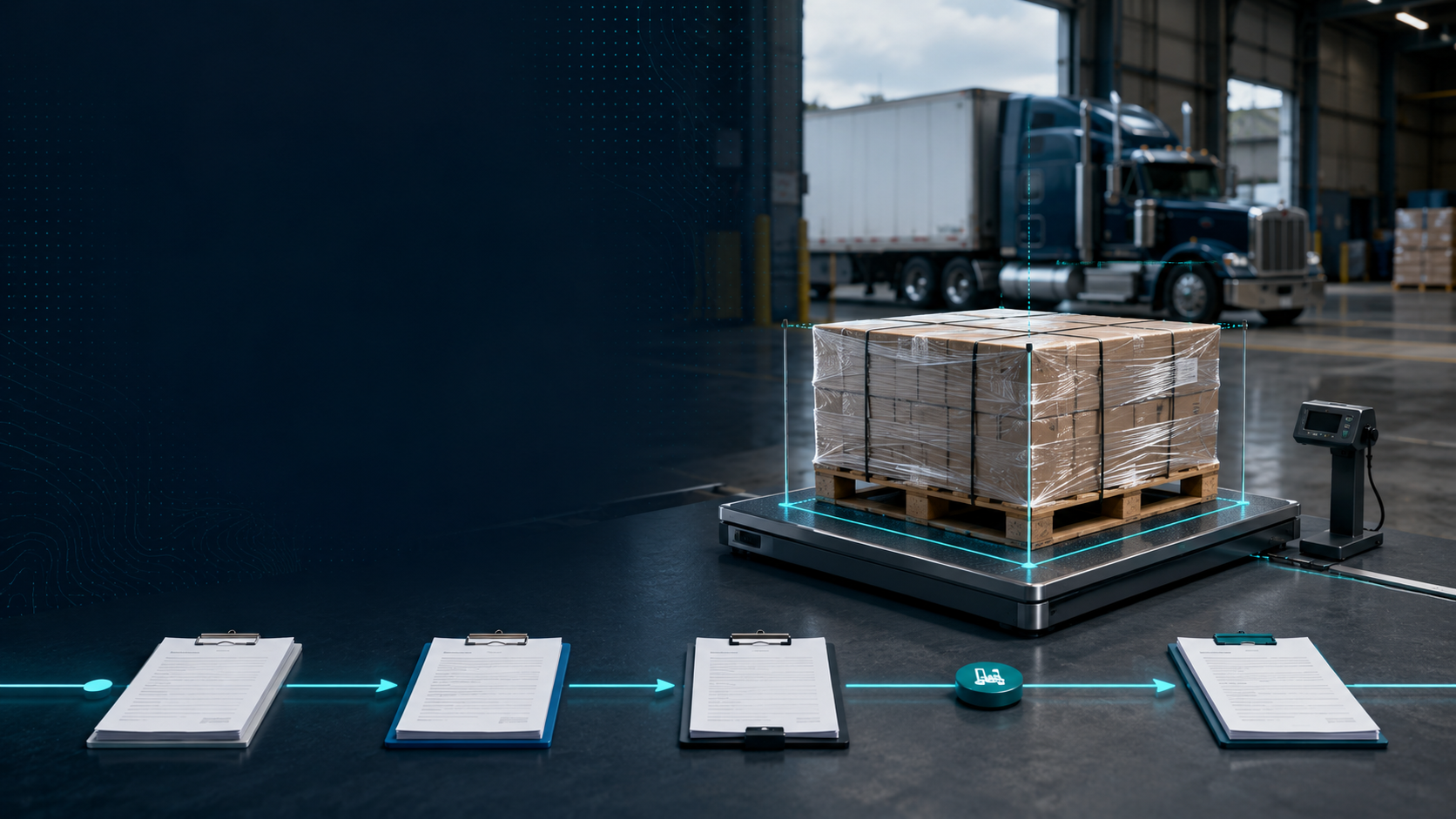
Transportation spend management is not the same as adding up freight invoices at the end of the month. A useful program connects transportation costs to the shipments, lanes, carriers, accessorial charges, service requirements, and exceptions that created those costs in the first place.
That distinction matters for growing teams. Finance may see the freight bills while the operations team knows why a delivery required extra handling. Procurement may know the carrier contracts. When those pieces stay separated, the business has numbers without enough context to act.
A well-run program brings that context together. It gives logistics, procurement, and finance a shared view of freight spend so they can ask better questions, investigate patterns, and make decisions with more confidence.
What Transportation Spend Management Actually Means
Transportation spend management, sometimes shortened to TSM, is the process of organizing, analyzing, and managing transportation cost information across the supply chain. It usually combines shipping data with base rates, contracted rates, fuel surcharges, accessorial fees, invoice processing, and carrier performance.
The goal is spend visibility, not a promise of automatic savings. A shipper should be able to move from a number on a dashboard to the shipment activity behind it: which mode moved the freight, which carrier handled it, what service level was requested, which accessorial charges were added, and whether the invoice matched expectations.
If your team is deciding how much of this work belongs inside a TMS, our guide to a transportation management system for shippers explains how execution, freight audit, visibility, and analytics can connect in one operating layer.
Why Freight Spend Becomes Hard To Understand
Fragmentation is the core problem. Quotes may live in inboxes, shipment records in a transportation management system, freight invoices in an ERP, and exception notes in chat. A separate freight audit process may identify overcharges or billing errors without giving operations an easy way to see why they occurred.
Mode complexity adds another layer. Less-than-truckload (LTL) moves can carry classification, dimensional weight, and accessorial considerations that differ from FTL. Intermodal can introduce different service and pricing structures. Fuel costs change over time. Contracted rates may cover recurring lanes while spot decisions sit somewhere else.
Fuel costs can shift quickly, so it helps to compare freight pricing against broader benchmarks like EIA diesel price data. From there, shippers can look at how each carrier applies its own fuel surcharge methodology and understand the actual commercial terms affecting each shipment.
The Cost Drivers Shippers Should Be Able To See
A strong program should make several views easy to investigate.
Base Transportation Costs And Freight Spend Visibility
Start with logistics spend by mode, lane, facility, business unit, and carrier. Compare shipment volume with spend and review similar moves over time. The goal is not to treat benchmarking as a single market number; it is to understand how your own network behaves and where transportation costs are changing.
Public freight data can add useful context alongside your internal numbers. For example, Bureau of Transportation Statistics freight indicators can help teams understand broader transportation trends, while your own shipment and spend data should remain the primary source for budgeting and operational decisions.
Accessorials, Overcharges, And Billing Errors
Accessorial charges deserve their own view because they often reveal process problems that base rates do not. Repeated liftgate, detention, reclassification, or limited-access fees may point to facility requirements, inaccurate booking inputs, or provider assumptions that need review.
Freight audit and payment workflows can help identify invoice discrepancies, but freight spend management goes further by connecting those discrepancies to operational patterns. A recurring overcharge matters differently from a valid charge caused by a repeatable process issue.
Carrier Performance Alongside Cost
Cost without service context can create false conclusions. A lower-priced option may require more manual follow-up or produce weaker delivery performance, while a higher-priced option may better fit the service requirement. Carrier performance should therefore sit beside cost, not in a separate report.
For additional sustainability context, shippers can reference the EPA’s SmartWay carrier performance rankings alongside their own carrier scorecards. Internal measures such as exception frequency, communication quality, service performance, and customer satisfaction can then provide a more complete view of each carrier’s overall performance.
How Lighthouse Connects Spend With Freight Execution
Lighthouse is TILT's shipper-facing platform for connected freight management. It brings shipment history, quoting, rates, tracking, freight documents, invoices, carrier context, analytics, and exceptions into a workflow designed for end-to-end visibility.
That is important because TSM works best when data analytics can drill into the underlying shipment. A dashboard may show a cost increase, but the useful next step is understanding whether it came from fuel, accessorial fees, service requirements, carrier mix, or freight volume.
Our Lighthouse overview explains the broader idea: give shippers one connected place to manage transportation activity instead of rebuilding the story across spreadsheets and portals.
Transportation Spend Metrics Worth Monitoring
Useful measures often include total freight spend by mode, spend by lane, average shipment cost, freight spend visibility by facility, accessorial frequency, invoice variance, carrier performance, and volume alongside cost. Teams may also monitor forecasting inputs against the transportation budget so they can see whether current activity is tracking toward plan.
For finance, this can clarify how logistics costs affect profit margins. Operations can see where exceptions create work, while procurement can inform future sourcing discussions.
A transportation management system may also connect through API or EDI to an ERP and other systems. Those connections are useful only when the data is consistent enough to compare. Clean naming, standardized accessorial categories, accurate shipment records, and clear ownership matter as much as the dashboard itself.
Turn Spend Data Into Better Questions
The most valuable output of transportation spend management is not another chart. It is a sharper operating question.
Why is this lane more expensive than last quarter? Which accessorial charges keep recurring? Are freight invoices matching contracted rates? Does one facility create more exceptions? Is a change in carrier performance affecting customer satisfaction? Which shipment types deserve a procurement review? Where does invoice processing still depend on manual investigation?
That is the practical TSM cycle: capture real-time data, analyze patterns, investigate the cause, adjust the process, and measure the result. Better visibility can support stronger decisions, but it does not replace the judgment of the people who understand the supply chain.
For teams focused specifically on pricing data, our freight rate management guide shows how rate history, quote comparison, and accessorial visibility fit into the same cost-control conversation.
Final Thoughts
Transportation spend management gives shippers a way to connect dollars with the freight activity behind them. It turns freight audit, shipping data, carrier performance, accessorials, and real-time tracking into a more complete view of transportation cost management.
Lighthouse is built around that connected model. If your team is managing freight spend across spreadsheets, an ERP, invoices, portals, and a TMS, a Lighthouse demo can show how a more centralized workflow supports spend visibility, analytics, and day-to-day freight decisions without claiming that software alone guarantees savings.
FAQs
Q: What is transportation spend management?
A: Transportation spend management is the process of organizing and analyzing transportation costs alongside shipment, lane, carrier, invoice, accessorial, and service data so teams can understand what is driving freight spend.
Q: What transportation spend metrics should shippers track?
A: Common starting points include spend by lane and mode, average shipment cost, accessorial frequency, freight invoice variance, freight volume, carrier performance, and transportation budget trends. The right mix depends on the network and business goals.
Q: How is transportation spend management different from freight audit?
A: Freight audit focuses heavily on checking freight bills and invoice accuracy. Transportation spend management uses broader freight data and operational context to understand cost patterns, support procurement, and investigate why transportation costs change.
Q: Can transportation spend management guarantee freight savings?
A: No. Better spend visibility can identify issues, improve decision-making, and highlight opportunities, but actual outcomes depend on market conditions, carrier contracts, execution, data quality, and the shipper's operating choices.
See your freight in a new light.
Lighthouse gives logistics teams live shipment visibility, carrier signals, and exception alerts, without the manual work.
Request Access