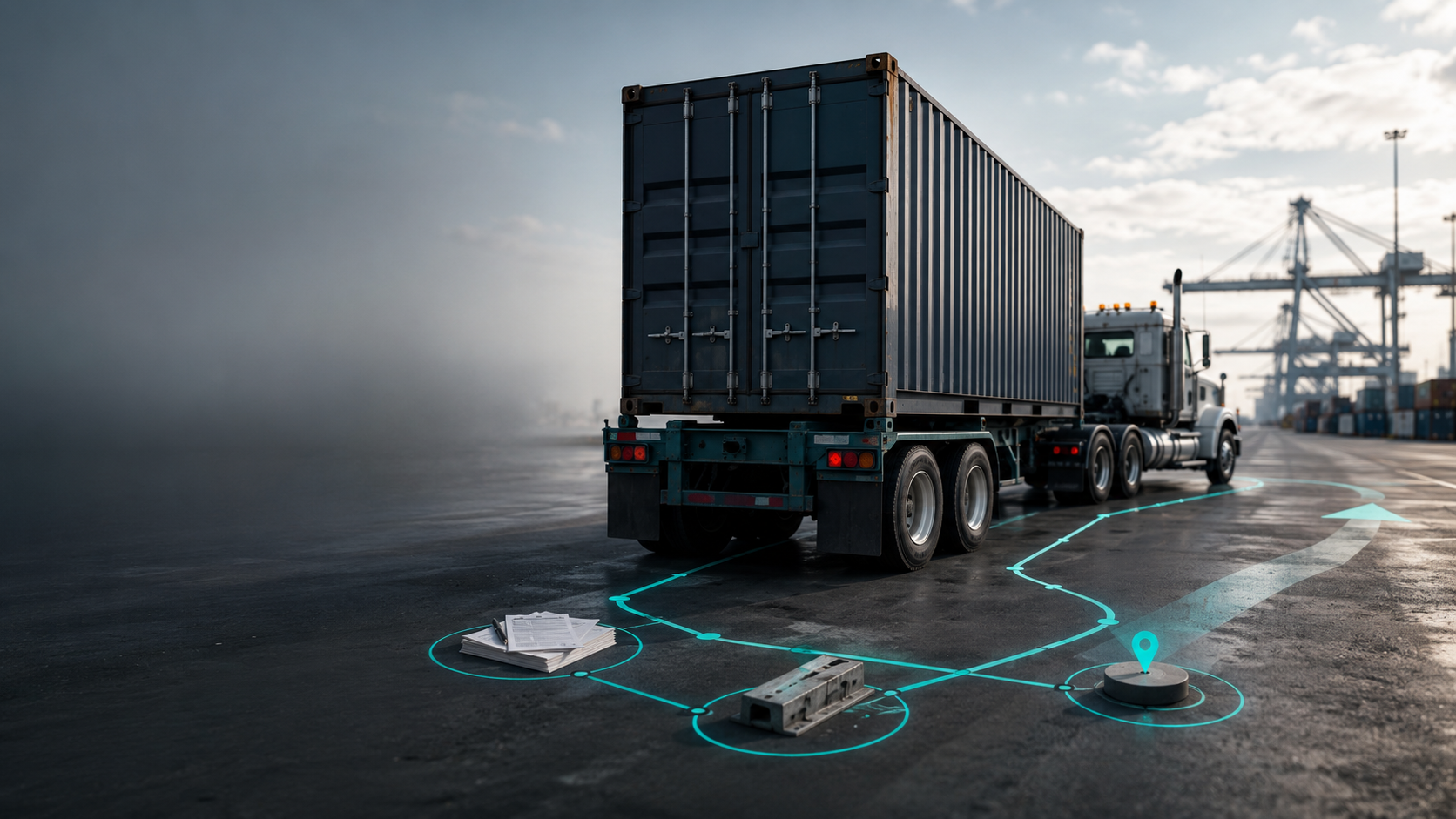
Drayage freight is the short-distance movement that connects ports, rail terminals, rail yards, warehouses, and distribution centers. It is often one of the shortest physical legs in a supply chain, but it can create some of the most expensive and time-sensitive freight problems when communication breaks down.p
For shippers, drayage is not just a truck pulling a box away from a terminal. It is the handoff between modes, systems, providers, documents, appointments, and freight containers that need to keep moving. A container may arrive by cargo ship at an ocean port, transfer through intermodal terminals, move from a rail ramp, or get staged for transloading before it reaches its next destination.
That is why drayage freight needs clear visibility, tight coordination, and a freight management workflow that helps teams see what is happening before a small delay becomes a costly exception.
What Drayage Freight Means
Drayage is the movement of a container or trailer over a short distance as part of a larger freight move. In practice, that often means moving shipping containers from seaports or inland rail terminals to nearby warehouses, yards, or distribution centers.
A drayage move may support:
Cartage-style short-haul moves between nearby freight facilities.
Port drayage from an ocean terminal to a warehouse.
Intermodal drayage from a rail ramp to a final delivery point.
Container drayage between rail yards, ports, or storage locations.
Transloading from an intermodal container into truckload, LTL, or another mode.
Last mile delivery after an import container clears the port or rail facility.
The drayage leg may be short, but it sits at a critical transfer point. When container availability, pickup appointments, rail notifications, or paperwork are missed, the rest of the move can slow down.
Why Drayage Matters To Shippers
Drayage services are often judged by whether the container is picked up, delivered, and returned without unnecessary cost or delay. But the real challenge is operational control.
Shippers need to know whether a container is available, whether the appointment is secured, whether the drayage trucks assigned to the work have the right requirements, whether the delivery location is ready, and whether documentation is complete enough to prevent avoidable issues.
This matters because drayage touches several cost and service variables at once:
Terminal availability and pickup windows.
Chassis constraints and equipment access.
Demurrage, detention, and other drayage fees.
Driver wait time and appointment changes.
Delivery scheduling at warehouses or distribution centers.
Return timing for empty equipment.
Communication between the shipper, carrier, freight broker, IMC, and facility.
For a small freight team, these details can be difficult to manage through email threads and status calls. For larger teams, the challenge is often scale: more containers, more ports, more providers, and more exception points.
Common Types Of Drayage Moves
Not every drayage move works the same way. Understanding the type of move helps shippers plan the right level of support.
Port Drayage
Port drayage moves containers from ocean ports to a nearby destination, yard, or transloading facility. These moves can be affected by vessel timing, terminal congestion, appointment availability, customs release status, and equipment constraints.
Intermodal Drayage
Intermodal drayage connects rail and truck transportation. A container may move long distance by rail, then require a drayage provider to pick it up from a rail ramp or rail terminal and deliver it locally. This is a key part of intermodal shipping and intermodal freight transport because it connects the rail move to the shipper’s actual pickup or delivery workflow.
Pier Drayage
Pier drayage typically refers to moving freight between a pier or port facility and another nearby location. It is common in port-heavy supply chains where the handoff from vessel to ground transportation needs to be tightly managed.
Shuttle Drayage
Shuttle drayage may be used when containers need to be moved temporarily between facilities, yards, or staging areas. It can help manage space constraints, appointment timing, or equipment flow.
Intra-Carrier And Inter-Carrier Drayage
Intra-carrier drayage generally involves movement within the same carrier’s network, while inter-carrier drayage involves handoffs between different carriers or transportation providers. For shippers, the key issue is not the terminology alone; it is whether ownership, communication, and documentation are clear at each handoff.
Expedited Drayage
Expedited drayage is used when a container needs faster attention because of delivery deadlines, production requirements, retail windows, or risk of additional charges. It can be helpful, but it still depends on terminal availability, equipment access, and facility readiness.
Door-To-Door Drayage
Door-to-door drayage refers to drayage support that connects container pickup to final delivery as part of a more complete service model. Shippers still need visibility into each step, especially when the move includes rail yards, intermodal terminals, or a transloading handoff.
Where Drayage Costs Appear
Drayage costs are not limited to the base linehaul or pickup charge. The total cost can include appointment changes, waiting time, storage, chassis costs, overweight handling, per diem, detention, demurrage, and other accessorial items.
Demurrage can apply when a container remains at a terminal beyond allowed free time. Detention can apply when equipment is kept longer than the allowed period outside the terminal. These concepts are especially important in drayage because delays can happen quickly when pickup appointments, release status, or delivery windows do not line up. Shippers should work with qualified advisors or partners on specific contractual, customs, or regulatory questions.
Cost control starts with better operational data. Teams need to know:
When the container became available.
When free time starts and ends.
Whether the container has been released.
Whether a pickup appointment is confirmed.
Whether the delivery facility can receive the container.
Whether empty return instructions are clear.
Whether supporting documentation is stored with the shipment record.
Without this information, drayage costs can feel random. With better visibility, shippers can identify patterns and act earlier.
What Shippers Need From A Drayage Workflow
A strong drayage workflow should make the container lifecycle easier to manage. The goal is not only to move the box. The goal is to reduce uncertainty across pickup, delivery, documentation, exception handling, and cost exposure.
Centralized Shipment Visibility
Real-time tracking helps shippers understand where a container is and whether the move is progressing as expected. For drayage, visibility should also include container availability, appointment status, delivery status, and return status when those updates are available.
Clear Communication
Drayage issues often become more expensive when teams do not know what is happening. A centralized workflow helps reduce the back-and-forth between logistics teams, facilities, carriers, and service partners.
Documentation Control
Container releases, delivery orders, bills of lading, proof of delivery, customs-related documents, accessorial backup, and claims support should be connected to the shipment record. When documents live in disconnected inboxes, teams lose time during exceptions.
Exception Management
Drayage exceptions can include unavailable containers, missed appointments, closed receiving windows, equipment shortages, refrigerated freight requirements, facility delays, or unclear return instructions. A modern freight management platform should help teams identify these issues sooner and coordinate next steps with better context.
Performance and Cost Data
Over time, shippers should be able to review lane trends, port performance, provider responsiveness, drayage costs, accessorial patterns, and service reliability. This data supports better procurement conversations and more informed freight planning.
How Tilt Supports Clearer Freight Management
At TILT, we build freight technology around visibility, security, analytics, automation, and sustainability. For shipper teams, that means freight workflows should be easier to see, easier to manage, and easier to improve over time.
Lighthouse, TILT’s shipper-facing platform, is built to help teams centralize freight activity, compare information, track shipments, organize documents, and make more informed decisions across transportation workflows. For drayage freight, that kind of structure matters because the move often depends on many small details being visible at the right time.
When shippers can connect container status, appointments, documentation, cost exposure, and execution updates in one workflow, they are better prepared to manage port-to-door freight without relying only on manual follow-up.
Drayage Freight Planning Checklist
Before a container move starts, shippers should confirm the basics:
What port, rail ramp, or terminal is involved?
Has the container been released and made available?
Are appointment requirements clear?
Does the facility have the right receiving window?
Is transloading required?
Is the shipment refrigerated or otherwise equipment-sensitive?
What accessorial charges could apply?
Who is responsible for empty return coordination?
Where will documents and updates be stored?
How will exceptions be communicated?
These questions do not eliminate every drayage issue, but they create a more controlled process.
The Bottom Line For Shippers
Drayage freight is a short move with a large operational impact. It connects seaports, rail terminals, rail yards, intermodal transport, warehouses, and final delivery workflows. When that connection is managed manually, shippers can lose visibility into timing, documentation, and cost exposure.
A more connected freight management workflow gives teams better control over container drayage, port drayage, intermodal drayage, and related handoffs. With the right data, communication, and execution support, shippers can keep freight moving with fewer surprises and clearer accountability.
If your team is managing container moves, port delays, accessorial exposure, or disconnected shipment updates, talk to TILT about how Lighthouse can help centralize freight visibility and support more controlled transportation workflows.
See your freight in a new light.
Lighthouse gives logistics teams live shipment visibility, carrier signals, and exception alerts, without the manual work.
Request Access