
Choosing between LTL and FTL shipping is one of the most common decisions in freight management. Both shipping modes move freight over the road and affect supply chain cost, service, and reliability, but they work very differently in practice. The right choice depends on shipment size, delivery dates, freight class, risk tolerance, pricing, and how much control the shipper needs over the move.
For small businesses and growing shippers, the decision is not always obvious. LTL freight may offer cost savings for smaller shipments, while FTL freight can provide more direct service for large shipments, time-sensitive freight, or freight that benefits from dedicated trailer space.
This guide breaks down LTL vs. FTL in practical terms so your team can choose the shipping method that best fits each freight shipment.
What is LTL Shipping?
LTL stands for less-than-truckload. In LTL shipping, your freight shares trailer space with freight from other shippers. The carrier consolidates multiple LTL shipments into one network, moving freight through terminals until it reaches the final destination.
Shippers often use LTL when they have smaller loads that do not require an entire truck. This can be a cost-effective option when the shipment is too large for parcel but too small to justify a full truck.
LTL shipping is commonly used for:
- A few pallets or crates.
- Smaller shipments that do not fill an entire trailer.
- Freight where lower cost is more important than the fastest possible transit time.
- Replenishment shipments moving into retail, distribution, or business locations.
- Loads where freight classification and accessorial details are manageable.
Because LTL carriers combine freight from many customers, LTL freight pricing often depends on freight class, weight, dimensions, distance, accessorial requirements, and the amount of space the shipment occupies. Linear feet can matter when a shipment takes up a meaningful portion of the trailer.
What is FTL Shipping?
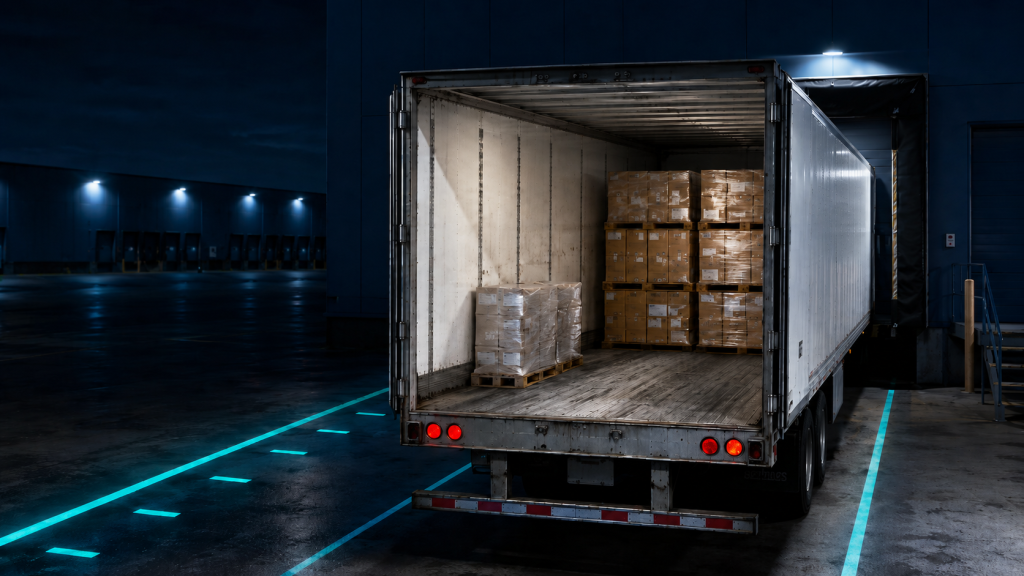
FTL stands for full truckload. In FTL shipping, the shipper uses the full truck or entire trailer for one shipment. That does not always mean the trailer is physically filled from end to end. It means the capacity is dedicated to that shipment.
FTL shipments are often used when the freight is large enough to need the entire truck, when the shipment is time-sensitive, or when the shipper wants fewer handling points between pickup and delivery.
FTL shipping is commonly used for:
- Large volume freight.
- Truckload shipments moving directly from origin to final destination.
- Shipments that need a dry van, flatbed, refrigerated trailer, or another specific equipment type.
- Freight where delivery times and delivery dates are especially important.
- High-value or fragile freight where the risk of damage should be reduced.
FTL carriers generally provide a more direct move than LTL carriers because the freight does not move through the same consolidation network. That can mean shorter transit time and fewer touches, but usually at a higher cost when the shipment does not fully use the equipment.
The Main Differences Between LTL and FTL
The main differences between LTL vs. FTL come down to how much space you need, how fast the freight needs to move, and how much handling risk your shipment can tolerate.
Shipment Size
LTL is best for smaller shipments, especially freight that fits on a limited number of pallets. FTL is usually better for large shipments, high-volume moves, or freight that needs a dedicated trailer.
A partial truckload can sit between these options when the shipment is too large for standard LTL but does not require a full truckload. It may help reduce handling while avoiding the cost of a completely dedicated truck in some situations.
Cost and Pricing
LTL shipping often provides lower cost for smaller loads because the shipper pays for only a portion of the trailer space. This can improve cost efficiency when the shipment does not justify an entire truck.
FTL shipping may have a higher cost for smaller freight, but it can be more economical for large volume shipments or truckload freight that would otherwise require multiple LTL shipments. The right comparison depends on total shipping costs, accessorial charges, freight class, delivery requirements, and service expectations.
Transit Time and Delivery Expectations
FTL freight often provides more predictable delivery times because the shipment generally moves more directly. LTL freight can still be reliable, but the shipment may move through terminals, be transferred between trailers, or be affected by consolidation schedules.
When freight is time-sensitive or delivery dates are firm, full truckload may be the safer option. When the delivery window is more flexible, shipping LTL may be the better value.
Risk of Damage
The risk of damage can be higher in LTL because freight is handled more often. Each terminal transfer creates another touchpoint. Strong packaging, correct freight classification, accurate dimensions, and clear documentation matter.
FTL shipments usually involve fewer touches, which can reduce handling-related risk. For fragile, high-value, awkward, or difficult-to-stack types of freight, FTL or partial truckload may be worth evaluating even when the shipment does not fill the entire trailer.
When To Use LTL
Use LTL when the freight is smaller, the timeline is flexible, and cost savings matter. It is often the right shipping option when your freight only uses a few pallets, does not require dedicated equipment, and can move through a carrier network without creating unacceptable risk.
LTL can work well when:
- Shipment size is modest.
- The freight class is clear.
- Transit time is important but not urgent.
- The team is trying to optimize cost without overbuying capacity.
- Accessorial needs, such as liftgate or limited access delivery, are known before booking.
For many small businesses, LTL is the everyday freight shipping method that keeps products moving without paying for unused trailer space.
When To Use FTL
Use FTL when the shipment is large, sensitive, urgent, or operationally important enough to justify a dedicated truck. Full truckload can also make sense when multiple smaller shipments can be consolidated into one larger move.
FTL may be the better choice when:
- The shipment needs the entire truck or entire trailer.
- The freight is time-sensitive.
- The shipment has strict delivery dates.
- The freight is fragile, high value, or difficult to handle.
- The team wants fewer touches from pickup to final destination.
- The load is moving as truckload shipping on a direct lane.
FTL vs. LTL is not only a cost comparison. It is a service, risk, and control comparison.
How a TMS Helps Compare Shipping Options
A modern TMS or freight management platform should help shippers compare shipping options before they book. The goal is not to force one mode over another. The goal is to give the team the pricing, visibility, and operational context needed to make the right decision.
For example, a platform can help compare LTL shipping, FTL shipping, partial truckload, and other shipping modes based on shipment size, delivery expectations, freight classification, accessorial requirements, and available providers. It can also help store lane history and shipment data so teams are not making the same decision from scratch every time.
This is where freight intelligence becomes useful. Better data helps teams optimize mode selection, understand cost efficiency, and choose the option that fits the shipment rather than defaulting to habit.
Learn more: Complete Transportation Management System for Shippers
The Bottom Line on LTL vs. FTL
LTL is often best for smaller shipments, lower cost goals, and freight that can move through a shared carrier network. FTL is often best for large shipments, faster transit time, fewer handling points, and more direct control over the move.
There is no universal answer to LTL vs FTL. The right option depends on the freight, the lane, the timeline, the customer expectation, and the operating cost. Shippers that compare modes with better visibility and data are in a stronger position to manage freight costs while protecting service.
Talk to Tilt about how Lighthouse helps shippers compare OTR freight options, centralize shipment visibility, and manage LTL and FTL workflows with more clarity.
FAQs
Q: What is the main difference between LTL and FTL shipping?
A: LTL shipping moves smaller shipments that share trailer space with freight from other shippers, while FTL shipping uses a dedicated truck or trailer for one shipment. LTL is often more cost-effective for smaller loads, while FTL can be better for larger, more time-sensitive, or higher-risk freight.
Q: Is LTL cheaper than FTL?
A: LTL is often cheaper when a shipment only uses a small portion of trailer space because the cost is shared across multiple shippers. FTL may be more cost-effective when the shipment is large enough to justify a dedicated truck or when faster transit, fewer touches, or tighter delivery control matter more than the lowest linehaul rate.
Q: When should a shipper choose FTL instead of LTL?
A: A shipper should consider FTL when the freight is large, fragile, high-value, time-sensitive, or needs fewer handling points between pickup and delivery. FTL can also make sense when multiple smaller shipments can be consolidated into one full truckload move.
Q: What is a partial truckload?
A: A partial truckload is a shipping option between LTL and FTL. It may fit shipments that are too large for standard LTL but do not require an entire trailer. It can sometimes reduce handling compared with LTL while avoiding the full cost of dedicated truckload capacity.
Q: How can freight management software help compare LTL and FTL?
A: Freight management software can help shippers compare LTL, FTL, and other OTR freight options using shipment size, freight class, timing, cost, accessorial needs, provider options, and historical lane data. That gives teams more context before booking instead of relying on habit or scattered quote records.