An AI logistics platform helps shippers connect the work that surrounds freight: quoting, booking, shipment tracking, documents, exception management, analytics, and performance review. The goal is not to replace the transportation team. The goal is to give that team a more structured operating layer, so decisions are easier to make and freight does not get buried across spreadsheets, emails, portals, and disconnected updates.
For many growing shippers, the need becomes clear when daily execution starts to fragment. One teammate is comparing carrier options in an inbox. Another is checking status in a TMS. Someone else is pulling a bill of lading, searching for accessorial details, or trying to explain why a lane became more expensive. An AI logistics platform should bring more of that work into one place and use artificial intelligence, machine learning, predictive analytics, and automation to make the workflow faster, clearer, and more accountable.
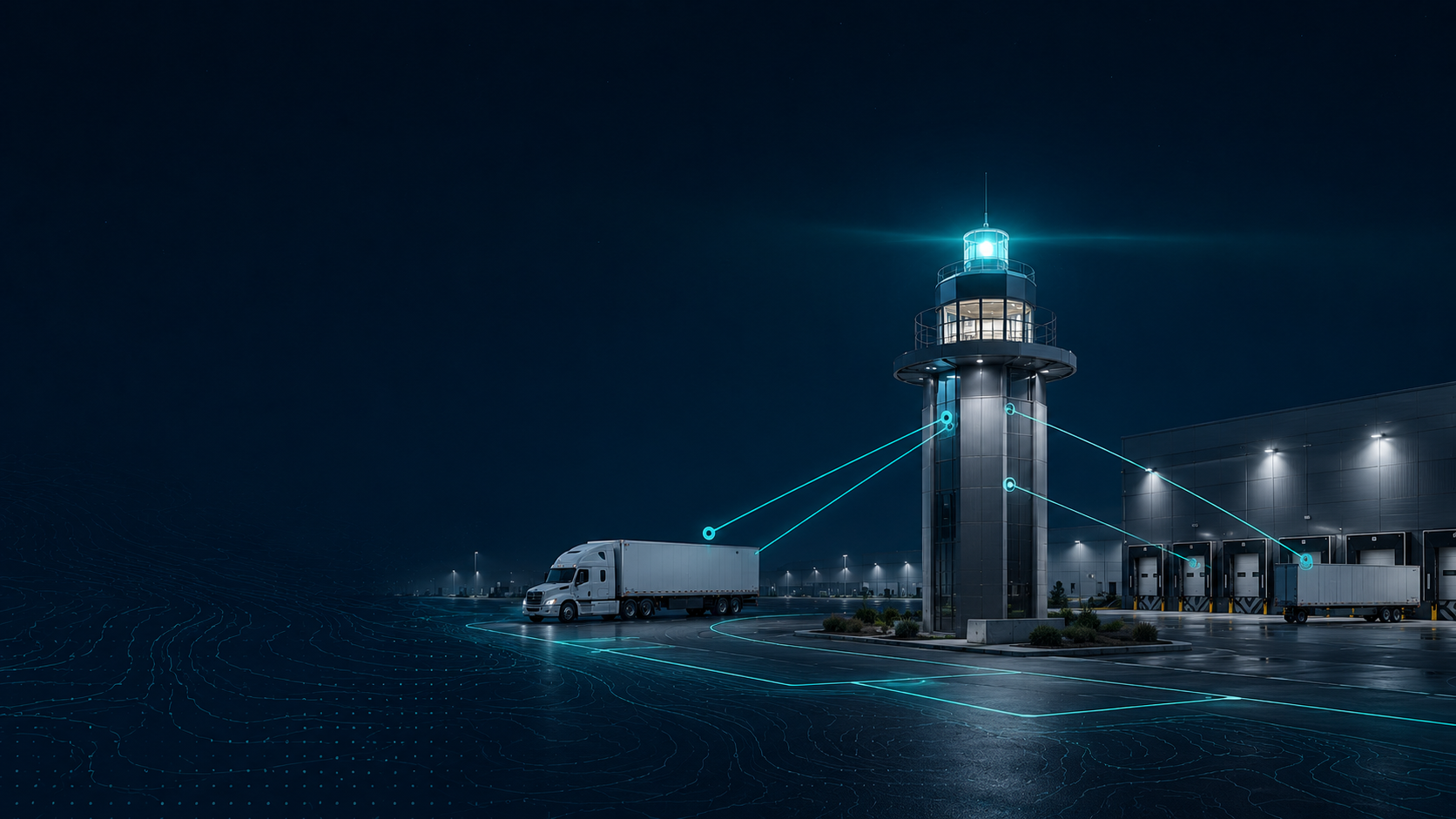
At TILT, this is the practical lens behind Lighthouse: freight technology should improve visibility, control, security, analytics, automation, and sustainability without asking shippers to surrender operational judgment.
What An AI Logistics Platform Actually Does
The phrase AI logistics platform can mean different things depending on the provider. Some platforms focus on fleet management, telematics, predictive maintenance, or last-mile delivery. Others support warehouse management, warehouse automation, inventory management, inventory optimization, WMS workflows, ERP connections, or broader supply chain management.
For shipper-side freight teams, the most useful version is usually narrower and more operational. It should help the team manage the shipment lifecycle from planning through delivery, including:
Comparing pricing and service options before booking
Centralizing LTL, FTL, parcel, rail, air, or ocean shipment information when those modes are relevant
Connecting documents such as the bill of lading to the shipment record
Improving real-time tracking and supply chain visibility
Flagging missing updates, shipment delays, and exception risk
Supporting cost optimization, cost reduction analysis, and accessorial review
Organizing lane history, carrier performance, and shipment data for better decisions
This is where AI logistics software becomes useful. The value is not that AI sounds advanced. The value is that the system can reduce manual work, make context easier to find, and help shippers act with better information.
How AI Fits Into Freight Workflows
AI can support freight operations in several practical ways.
Quote And Booking Support
In quote workflows, AI algorithms can compare lane history, carrier options, freight rate patterns, service requirements, and shipment characteristics. The system should help the user understand the tradeoff between price, speed, reliability, and risk.
For growing shippers, this matters because quoting often happens under pressure. A logistics coordinator may need to move a load quickly, but still needs enough information to avoid overpaying, choosing a poor-fit option, or losing track of the shipment after booking.
Tracking And Exception Management
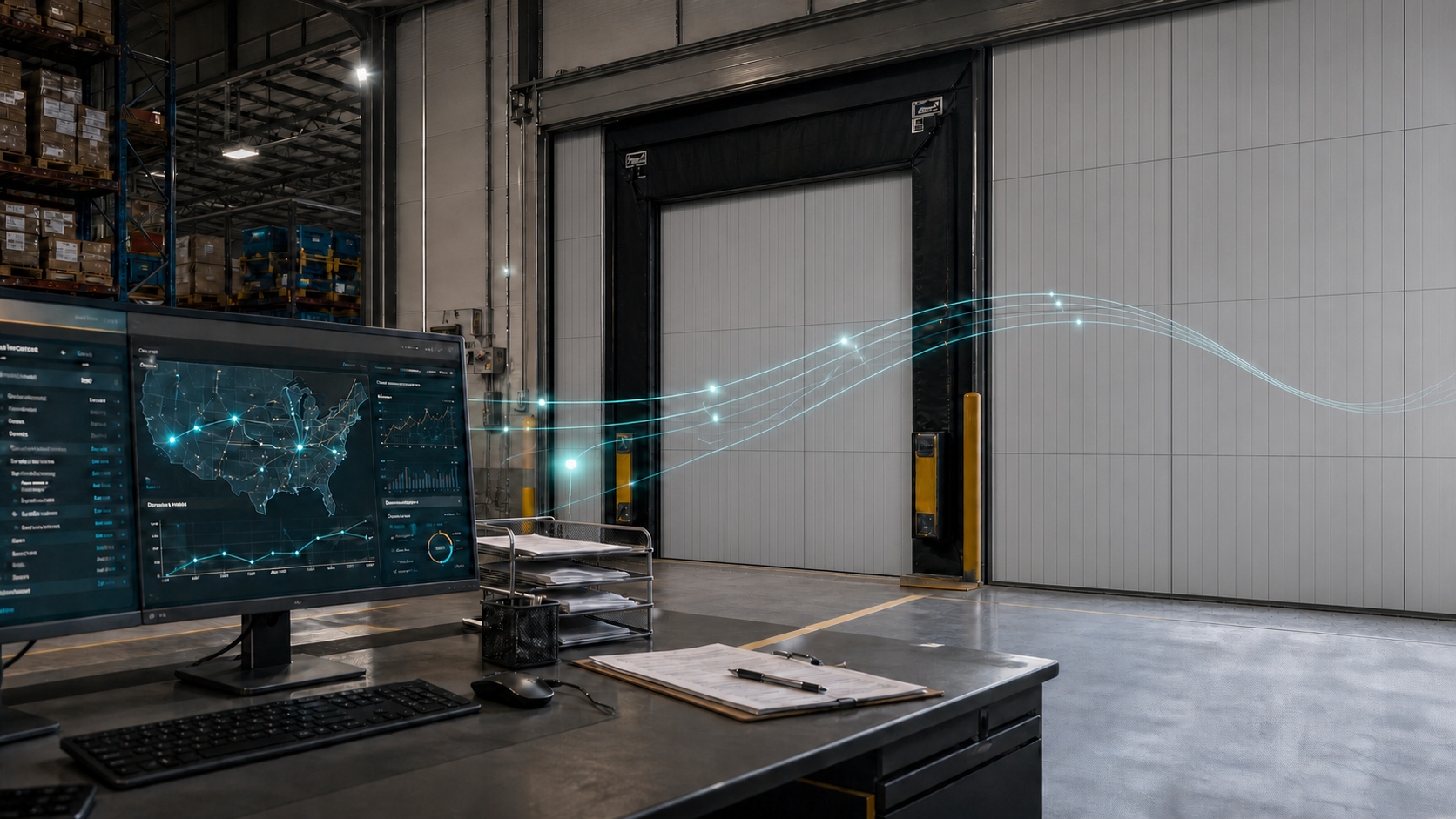
Real-time tracking is one of the clearest use cases for an AI-powered logistics platform. Instead of forcing the team to manually check multiple systems, the platform should help identify which shipments need attention, which updates are missing, and which exceptions may affect delivery.
This is different from simply displaying a map. Useful supply chain visibility should help answer operational questions: What changed? Who needs to know? Which shipment requires action now? What documentation is connected to the issue?
Documents and Communication
Freight operations depend on documents. Bills of lading, rate confirmations, proof of delivery, insurance information, claims materials, and accessorial documentation all need to stay connected to the shipment record.
Generative AI, natural language processing, and chatbots can support this work when they are applied carefully. For example, a system might summarize shipment notes, extract details from a document packet, or help a user find the right shipment record. The important requirement is accuracy, context, and a clear path for human review.
Analytics and Planning
Predictive analytics and demand forecasting can help shippers understand freight patterns before they become urgent. A platform may surface lane-level trends, seasonal shifts, carrier performance patterns, carbon emissions estimates, or areas where better freight matching could reduce empty miles through better planning.
That does not mean the platform should make every decision automatically. It should support better judgment. When a shipper can see cost, service, capacity, and sustainability factors together, the team can make more confident decisions.
What It Should Not Overpromise
Shippers should be careful with broad AI claims. Some logistics technology markets use phrases such as route optimization or computer vision to describe advanced capabilities. Those may be relevant in certain fleet, warehouse, or delivery environments, but they are not the same as shipper-side freight management.
For a shipper evaluating an AI logistics platform, the better question is: does the platform improve the freight decisions my team actually makes? A platform may help with freight matching, carrier comparison, visibility, documentation, analytics, and workflow automation without providing route guidance or directing drivers.
That distinction matters. Shippers should look for tools that improve operational efficiency while staying clear about what the system does and does not control.
How An AI Logistics Platform Differs From A Traditional TMS
A traditional TMS often helps manage shipment execution: tendering, carrier communication, documentation, tracking, and freight payment. Those capabilities still matter. But many freight teams now need a connected layer that helps them understand the work, not just record it.
An AI logistics platform should add more intelligence around the workflow:
Better context during quote comparison
Cleaner handoffs from quote to booking
More complete shipment visibility
Exception triage that helps teams focus on the right loads
Analytics that connect cost, service, and performance
Automation that reduces repetitive manual work
Security and governance for serious business use
For a small or mid-sized shipper, the difference is practical. The team does not need more dashboards for their own sake. They need fewer blind spots and fewer manual steps.
What Shippers Should Evaluate Before Choosing A Platform
Before choosing an AI logistics platform, shippers should ask operational questions:
Does it support the modes we actually use, including LTL and FTL?
Can it connect to existing ERP, WMS, inventory management, or accounting workflows where needed?
Does it centralize shipment data, documents, status updates, and communication?
Does it explain recommendations in a way the team can trust?
Does it support security, access control, and practical governance?
Does it help improve cost optimization without hiding pricing logic?
Does it give operations, finance, and leadership the reporting they need?
Can the team adopt it without rebuilding every freight process at once?
The best platform is not always the one with the longest feature list. It is the one that helps the freight team make better decisions with less friction.
Where Lighthouse Fits
Lighthouse is TILT's shipper-facing platform built to bring visibility, transparency, and control into everyday freight workflows. It is designed around the real work shippers manage: quoting, booking, tracking, documents, analytics, automation, security, and sustainability.
The point is not to make AI the headline of every workflow. The point is to use AI where it improves speed, accuracy, and context. When technology is grounded in real logistics operations, it becomes infrastructure the team can rely on.
The Bottom Line For Shippers
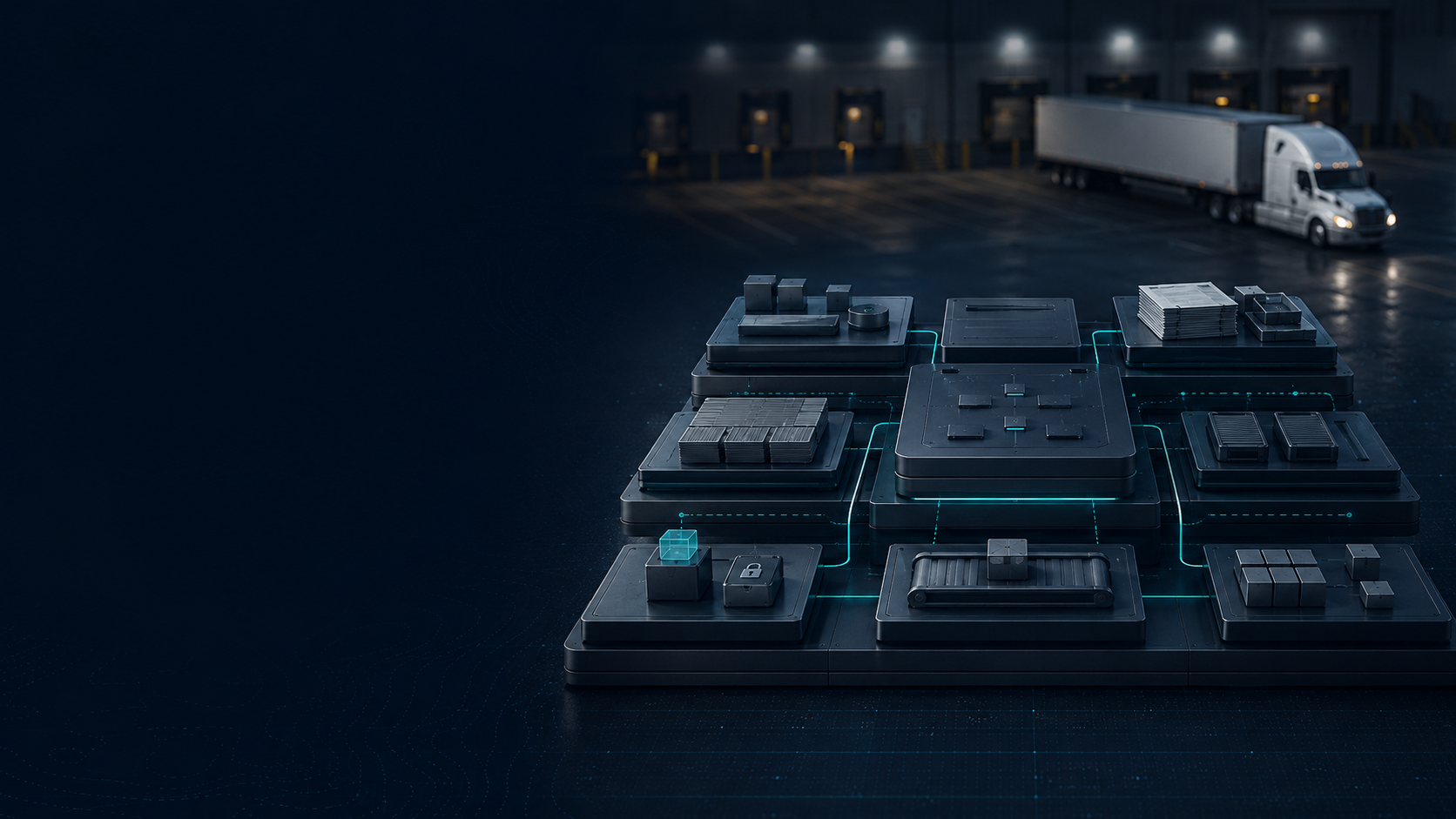
An AI logistics platform should help shippers move from fragmented freight work to connected freight management. It should make quoting more informed, booking more structured, tracking more visible, documents easier to manage, and analytics more useful.
For growing shippers, that kind of platform can become the operating layer that supports better freight decisions as volume, complexity, and expectations increase.
FAQs
Q: What is an AI logistics platform?
A: An AI logistics platform is software that uses artificial intelligence, machine learning, automation, and analytics to support logistics workflows such as freight quoting, booking, tracking, documents, exceptions, and performance reporting.
Q: Is an AI logistics platform the same as a TMS?
A: Not always. A TMS often focuses on transportation execution, while an AI logistics platform may add decision support, predictive analytics, automation, and broader visibility across connected freight workflows.
Q: How should shippers evaluate AI logistics software?
A: Shippers should evaluate workflow fit, data quality, visibility, security, reporting, adoption requirements, integrations, and whether the platform helps their team make better freight decisions without overclaiming what AI can control.
See your freight in a new light.
Lighthouse gives logistics teams live shipment visibility, carrier signals, and exception alerts, without the manual work.
Request Access